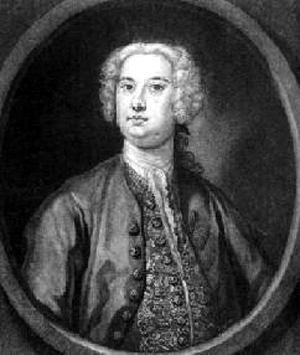
Giovanni Carestini (1700 – after 1760)
Giovanni Carestini, soprannominato "Cusanino", fu uno dei più noti cantanti castrati del XVIII secolo. Nato nel 1700, probabilmente nelle Marche, divenne celebre per la sua voce straordinaria e duttile, capace di affrontare ruoli sia drammatici sia virtuosistici.
Giovanni Carestini, nicknamed "Cusanino," was one of the most famous castrato singers of the 18th century. Born in 1700, probably in the Marche region, he became renowned for his extraordinary and versatile voice, capable of performing both dramatic and virtuosic roles.
Career and Achievements
-
Beginnings: Carestini made his debut in Rome in 1719 and quickly established himself on the Italian and European stages.
- Notable Collaborations: He sang for composers such as Handel, Hasse, Porpora, and Vinci. Handel wrote some of the most challenging arias in his repertoire specifically for him.
-
London and Vienna: He achieved great success in England, Germany, and Austria, performing in the most prestigious theaters.
- Repertoire: Carestini was known for his stylistic refinement, expressive interpretation, and elegance in coloratura passages.
Personality and Style
Carestini was highly admired not only for his vocal technique but also for his commanding stage presence, noble bearing, and dramatic sensibility. He was nicknamed “the divine Carestini” in European aristocratic salons.
Decline and Later Years
Like many castrati, his career gradually declined with age. After 1750, he returned to Italy and likely retired in the Marche region. He died after 1760 under circumstances that remain poorly documented.
Carestini and Filottrano
The nickname "Cusanino" may connect Carestini to the Marche region, and possibly to Filottrano, where today the Baroque music festival “Sulle orme del Cusanino” seems to evoke—either directly or symbolically—his figure or the cultural world of his time.
[Source: Wikipedia, 25/03/2025]
Multimedia