Abbey of Santa Maria di Storaco
Details
- BEWEB- Ecclesiastical Heritage on the Web
- I luoghi del silenzio
- Racconti di Marche
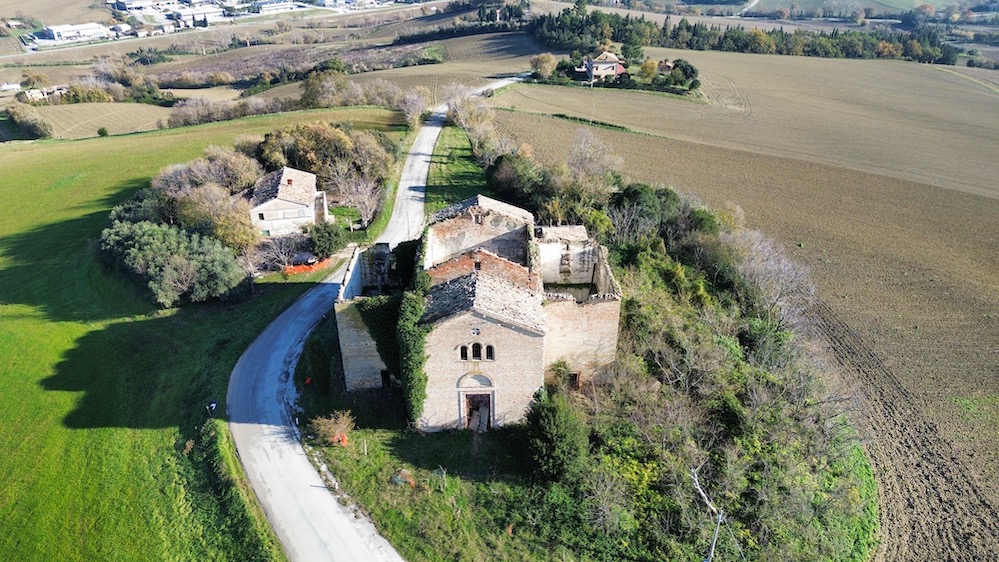
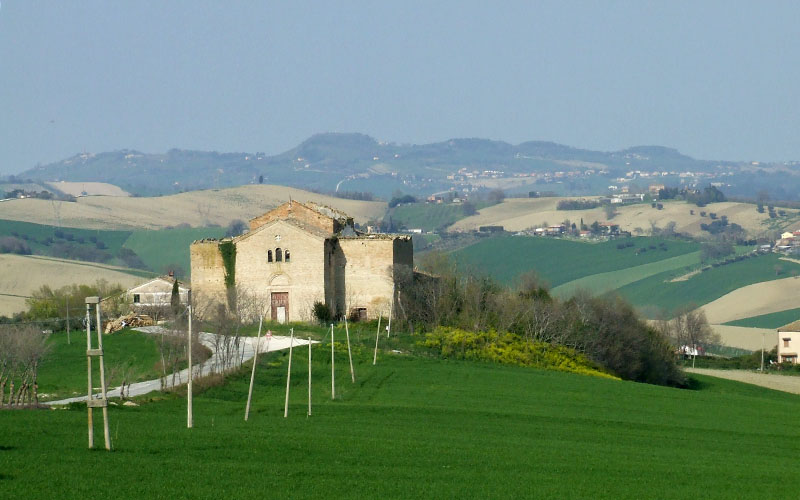
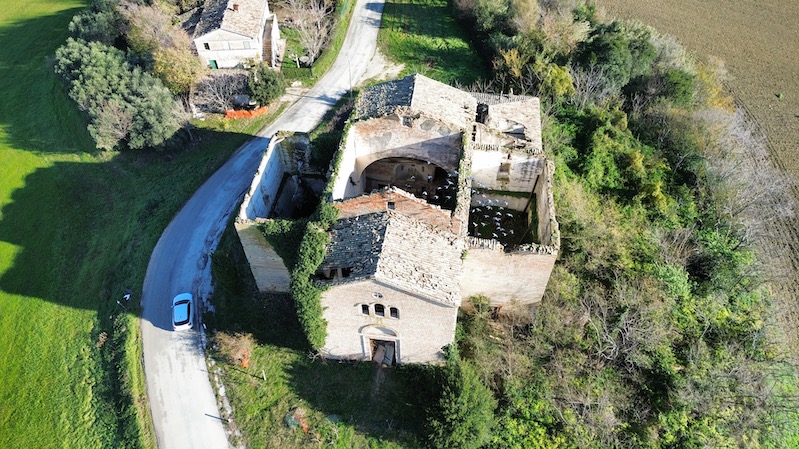
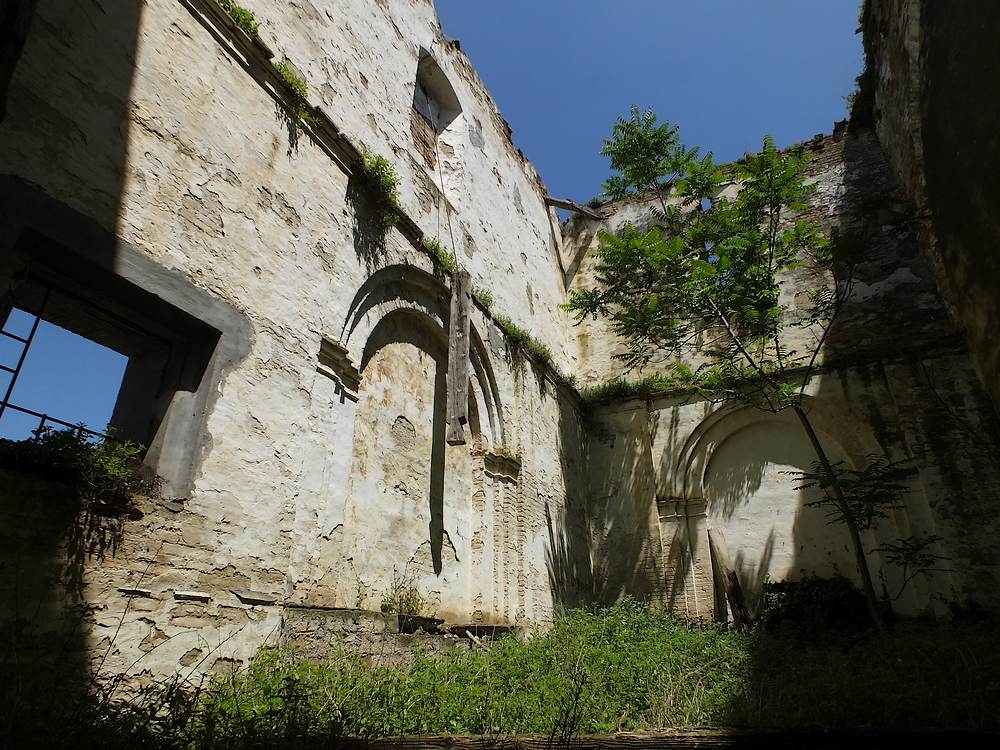
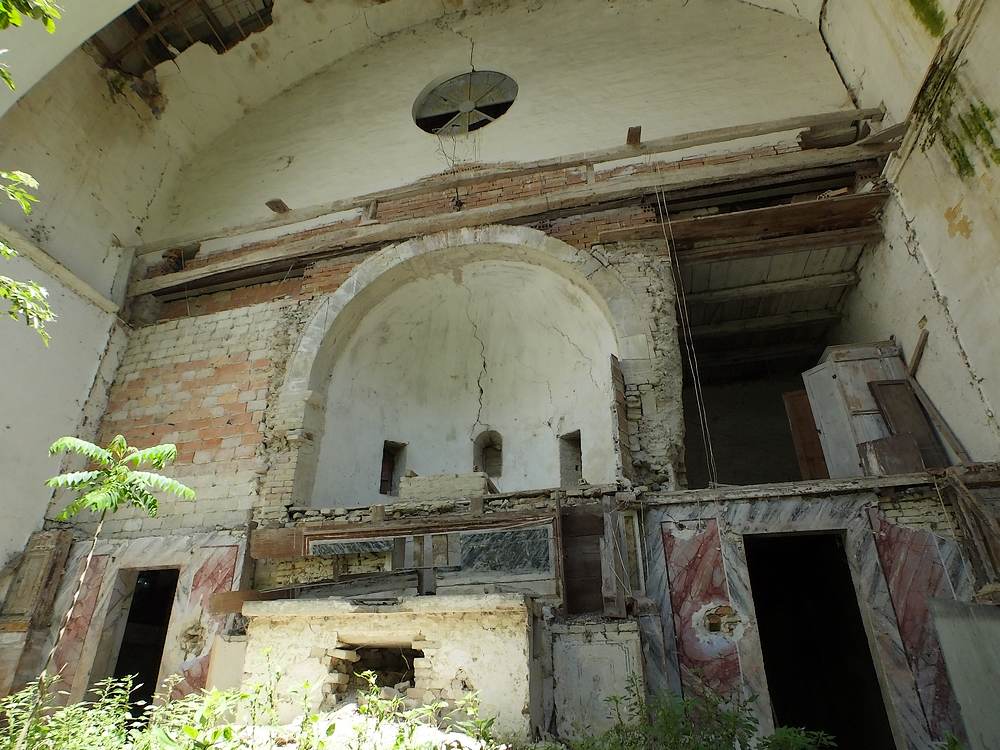
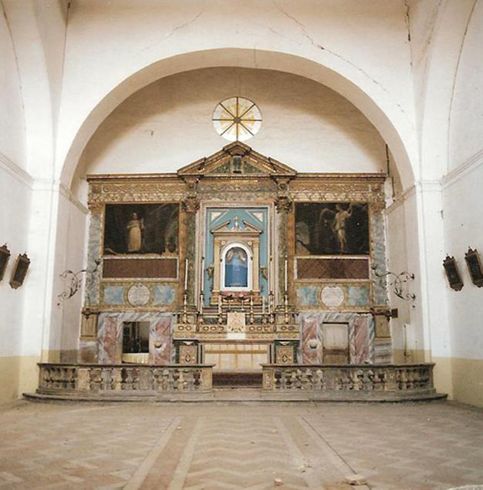
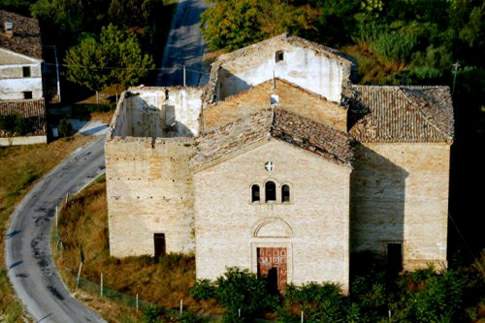
The Abbey of Santa Maria di Storaco stood on a hill northwest of Filottrano, near the neighboring Storaco castle. It was erected in the 11th century but was destroyed along with the castle around the turn of the 12th and 13th centuries. In its place, a semi-circular masonry edicola (shrine) dedicated to the Virgin Mary was erected. It was expanded in 1573 and 1595, due to the increasing number of believers who went there, incorporating the ancient shrine, which was situated behind the main altar.
The current church has been closed for worship since 1986, and the wooden statue of the venerated Virgin of Storaco is now located in the nearby Church of Sant’Ignazio di Lojola.
Years ago, the locality of Storaco was the site of beautiful popular festivals; however, due to the church’s precarious structural condition, they have been moved to other hamlets in the city.
Gallery
From "Santuari e Miracoli"
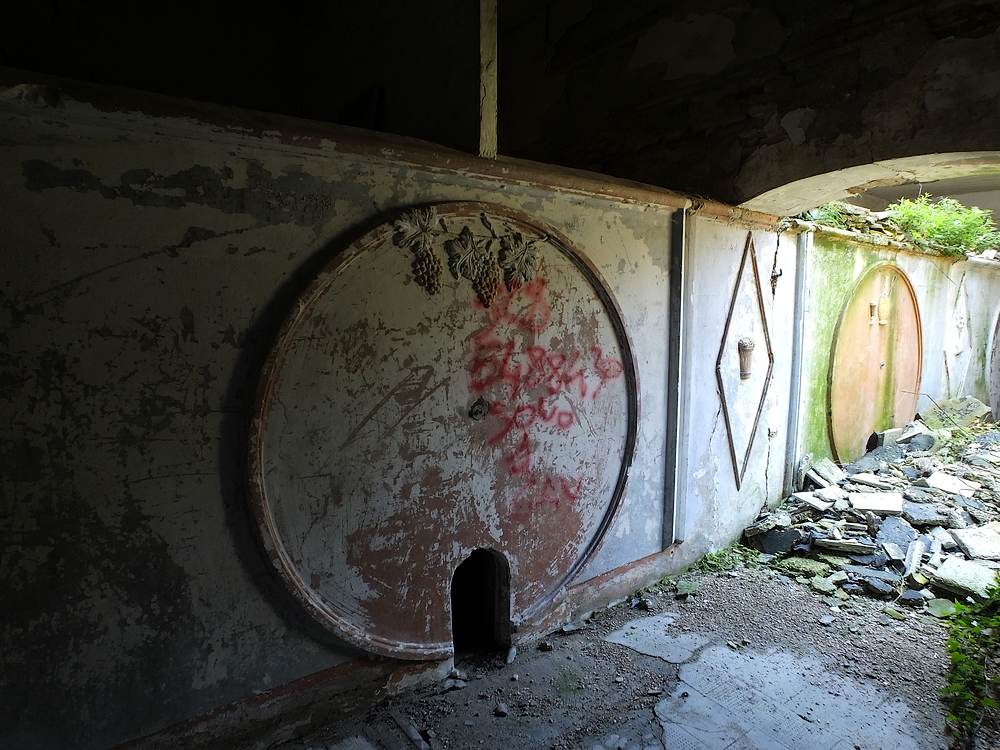
Nestled in the gentle Marche hills, near Filottrano (AN), the Sanctuary of Santa Maria di Storaco holds a centuries-old history of faith, art, and popular devotion. Although currently closed to the public due to its location on unstable ground, the sanctuary continues to exert a particular fascination, inviting discovery of its rich past and its precious artistic testimonies.
A Journey Through History
The origins of Storaco are lost in the mists of time, with records dating back as far as the 8th century. The Castle of Storaco, once an autonomous municipality, was repeatedly the scene of conflicts during the 13th century, undergoing destruction and reconstruction. The Benedictine Abbey, a flourishing religious center since the 12th century, shared the fate of the castle. Famous for having hosted Saint Bonfiglio from Osimo, the Abbey declined until it was reduced to ruins in 1260.
In 1271, the Canons Regular replaced the Benedictines, remaining in Storaco until 1300. A document from 1351 records the collection of funds for the construction of the "Church of S. Maria Nuova di Storaco," which was rebuilt by incorporating the apse of the pre-existing building (dating back to 1271). The growing veneration for the sacred image led to subsequent expansions of the church in 1573 and 1595.
Architecture and Hidden Treasures
The church, built in the shape of a Latin cross, is the result of successive reconstructions and enlargements. Only the apse of the original 1271 building remains today, cleverly integrated into the subsequent structure, bearing witness to the long history of the sacred site.
The heart of the sanctuary was the gilded wooden statue depicting the seated Virgin with the blessing Child, probably dating back to the 14th-15th century. This precious sculpture, a symbol of faith and hope for generations of the faithful, is currently housed in the parish church of S. Ignazio due to the sanctuary’s closure in 1986.
Saint Bonfiglio from Osimo: An Hermit of Deep Devotion
The figure of Saint Bonfiglio from Osimo is strictly linked to the history of the Storaco sanctuary. Born in Osimo in the 12th century, Bonfiglio embraced the hermitic life and spent several years in the Benedictine Abbey of Storaco, dedicating himself to prayer and penance. His deep spirituality and example of austere life attracted numerous followers and contributed to making Storaco an important center of spirituality. Canonized in the 13th century, Saint Bonfiglio is still venerated today as the patron saint of Osimo and the protector of pilgrims.
A Sanctuary to (Re)discover: Between Faith and Adventure
Despite its closure, the Sanctuary of Santa Maria di Storaco continues to hold a strong appeal. Its millennial history, the importance of the figure of Saint Bonfiglio, and the beauty of the statue of the Virgin make this place a treasure to be preserved and enhanced.
For the more adventurous, it is possible to undertake an external exploration of the sanctuary (always respecting safety regulations and access prohibitions). Admiring the external architecture, imagining the monastic life that once animated these places, and contemplating the surrounding landscape can be a suggestive and meaningful experience. It is advisable to inquire in advance about the site conditions and to contact local authorities for any permits or guided tours.
Lost Ex Votos: A Testimony of Grace Received
At one time, the walls of the sanctuary were covered with ex votos, votive offerings donated by the faithful as a sign of gratitude for graces received. Unfortunately, most of these gold and other objects have been lost over time. Their disappearance represents an irreparable loss for the historical and devotional memory of the sanctuary, depriving us of precious testimonies of the faith and hope that animated the pilgrims of Storaco.