Church (Collegiate) of Santa Maria Assunta
Details
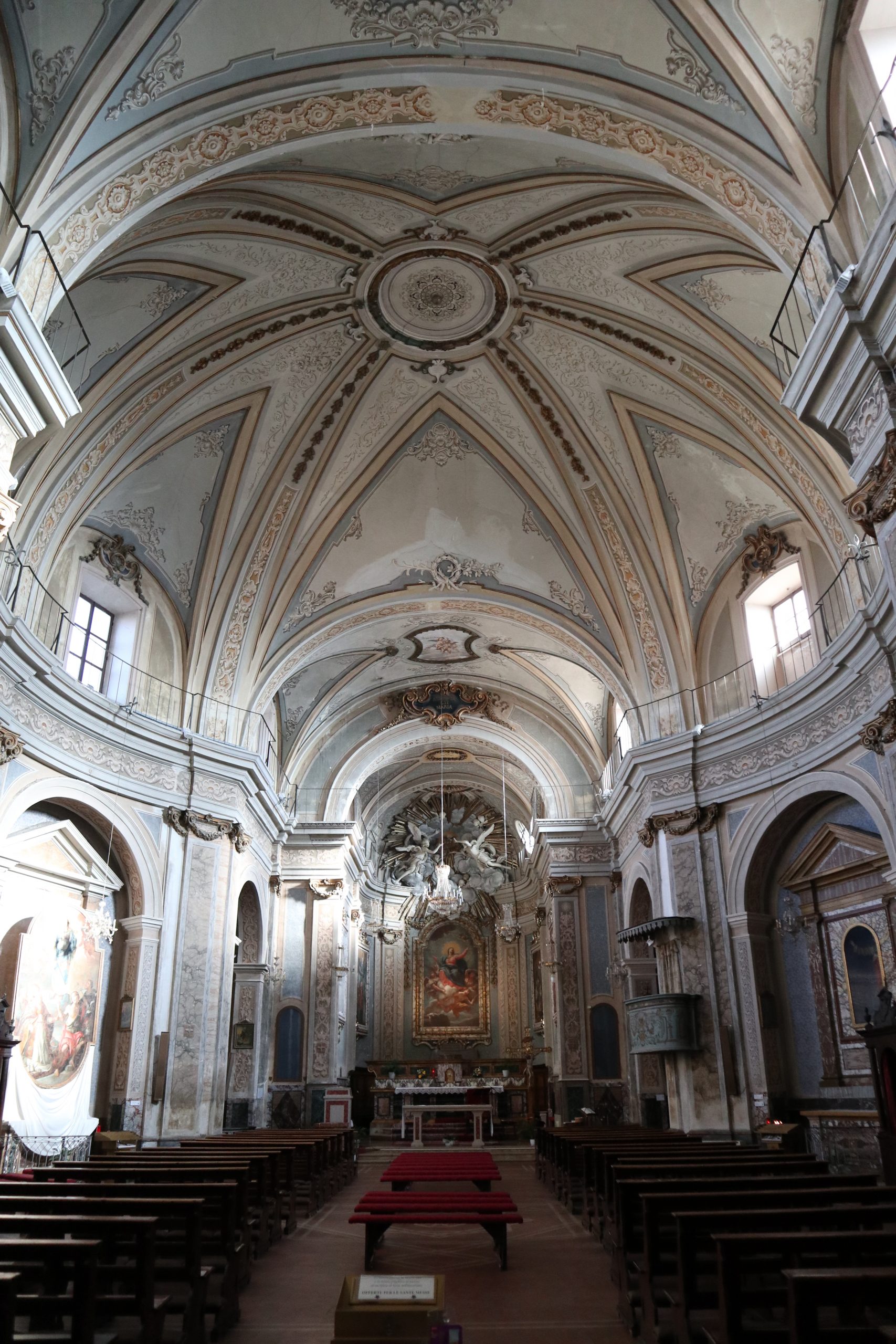
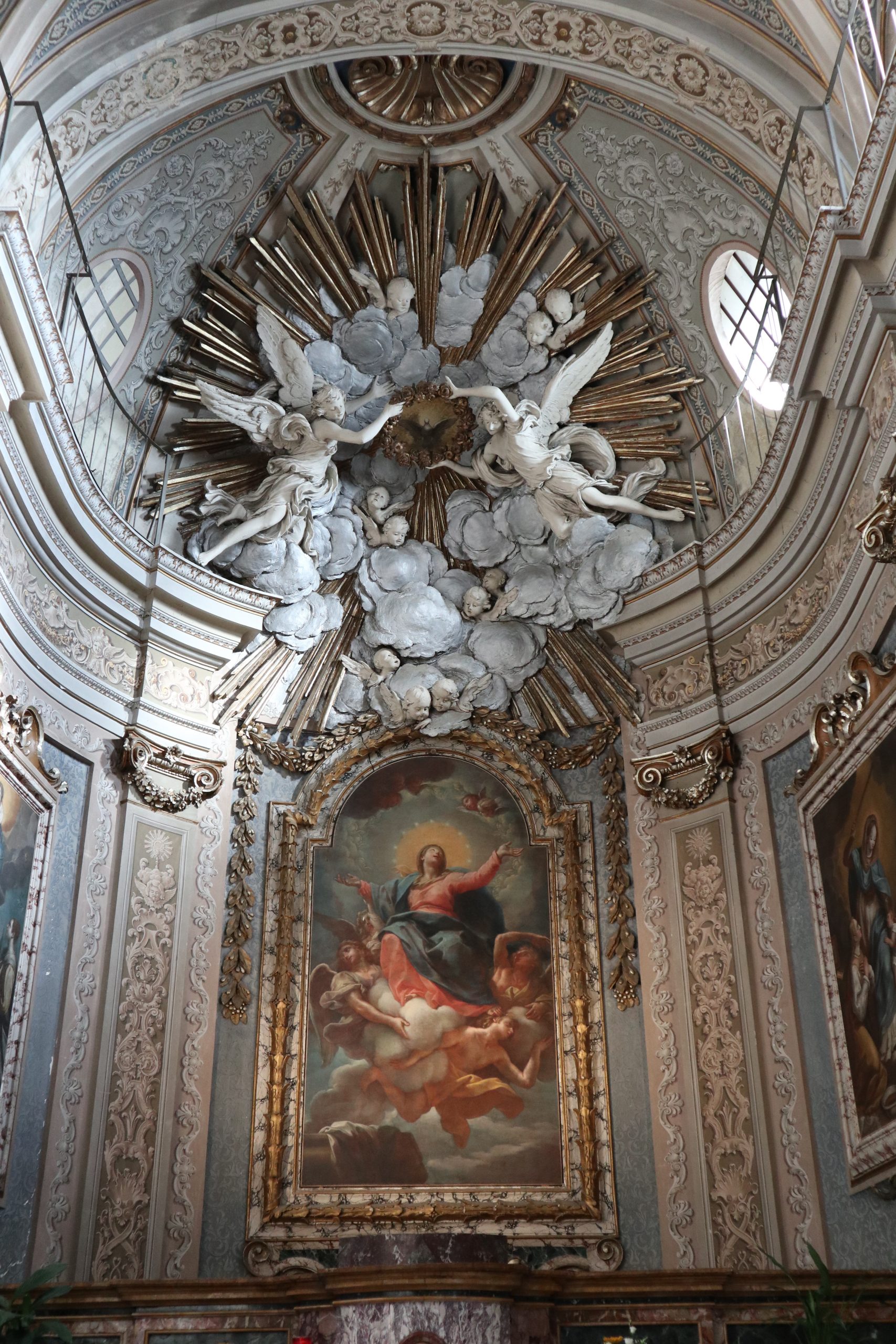
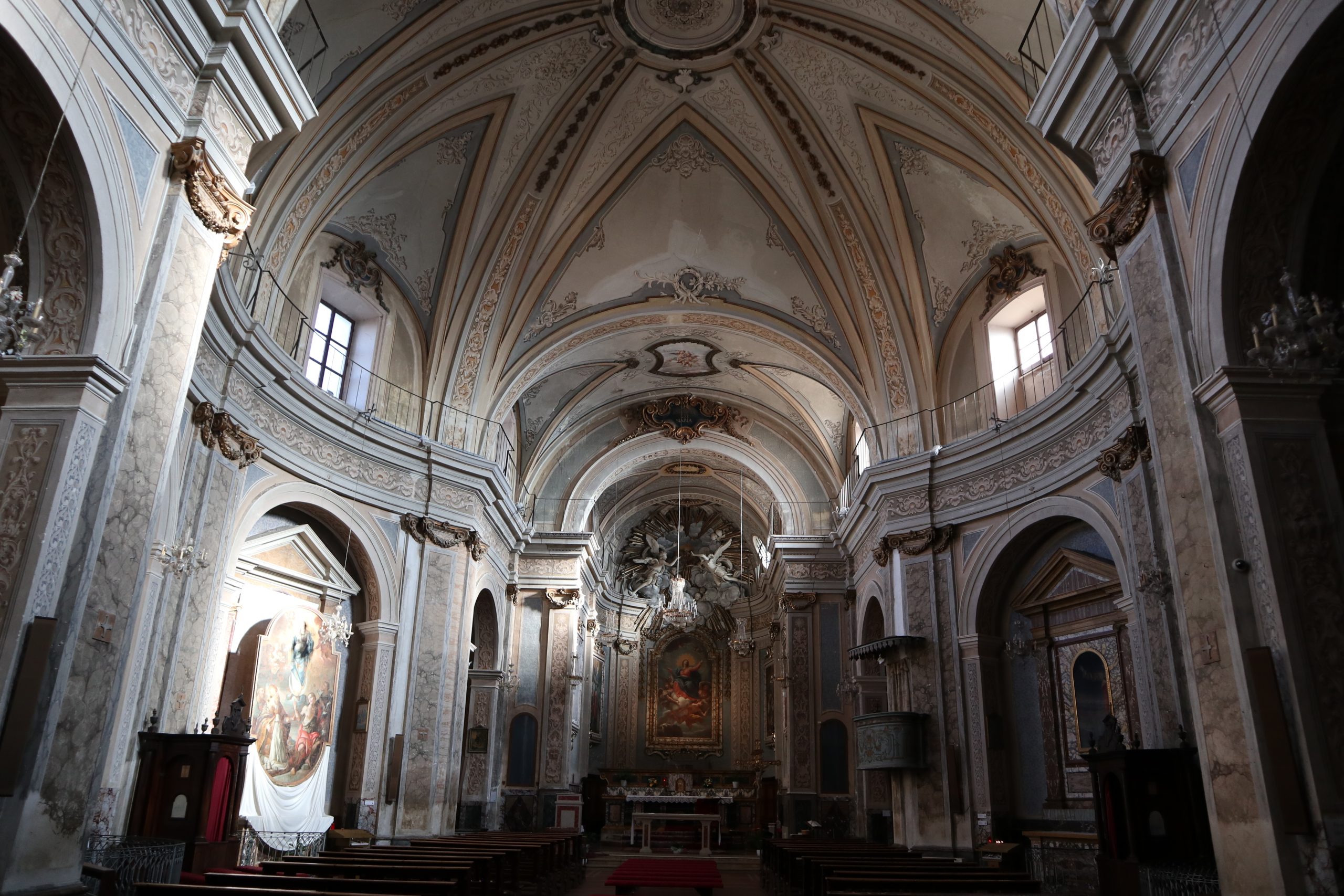
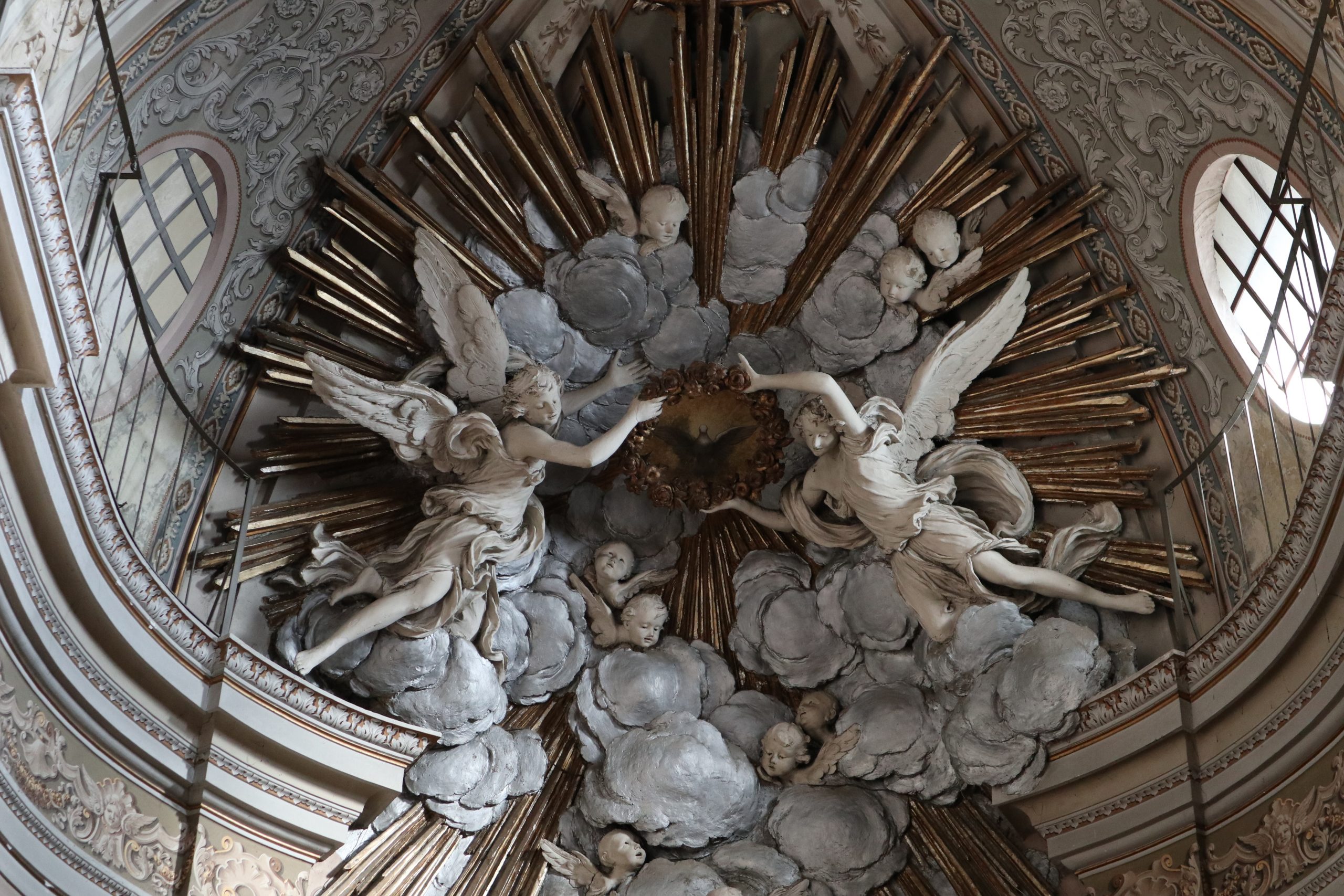
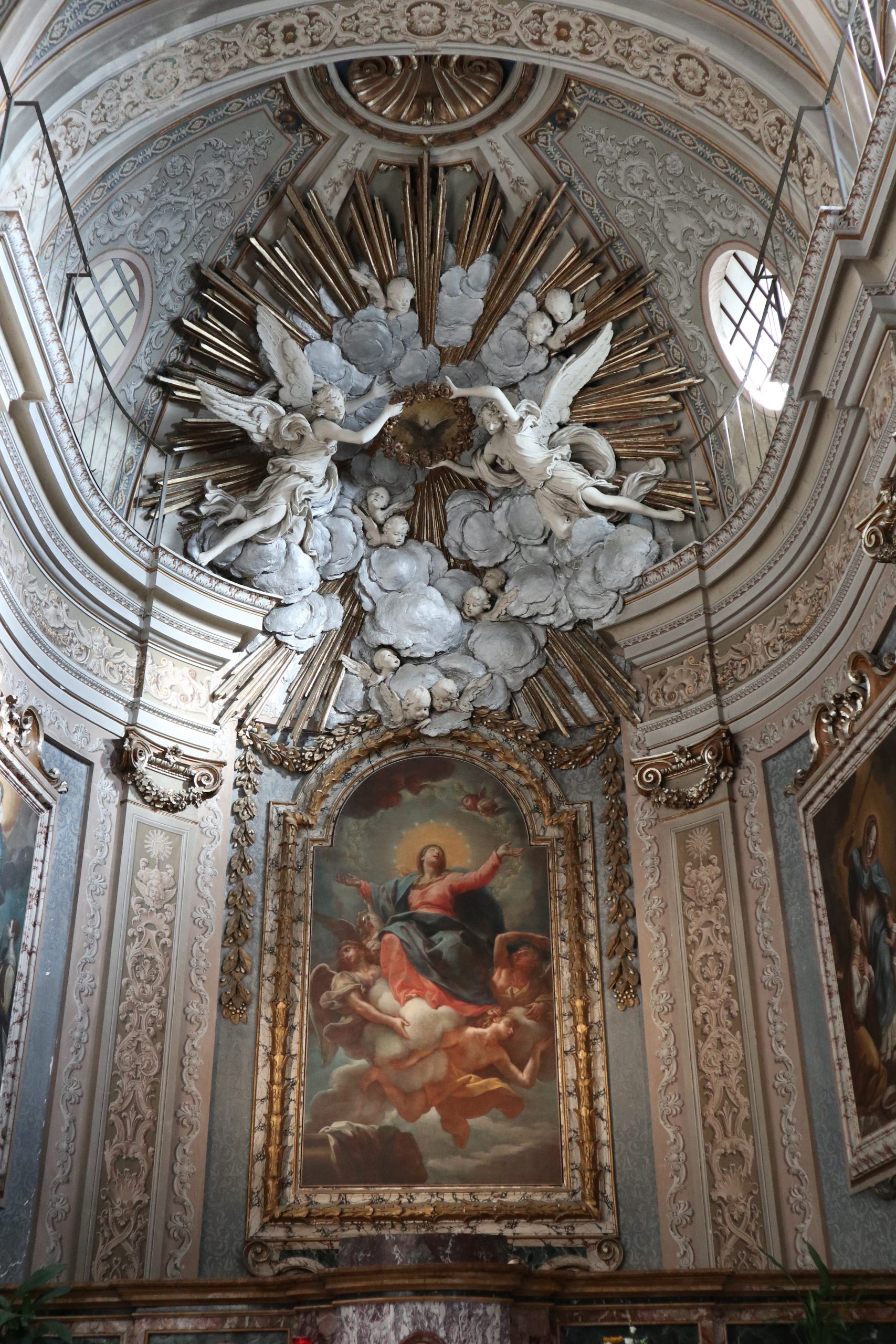
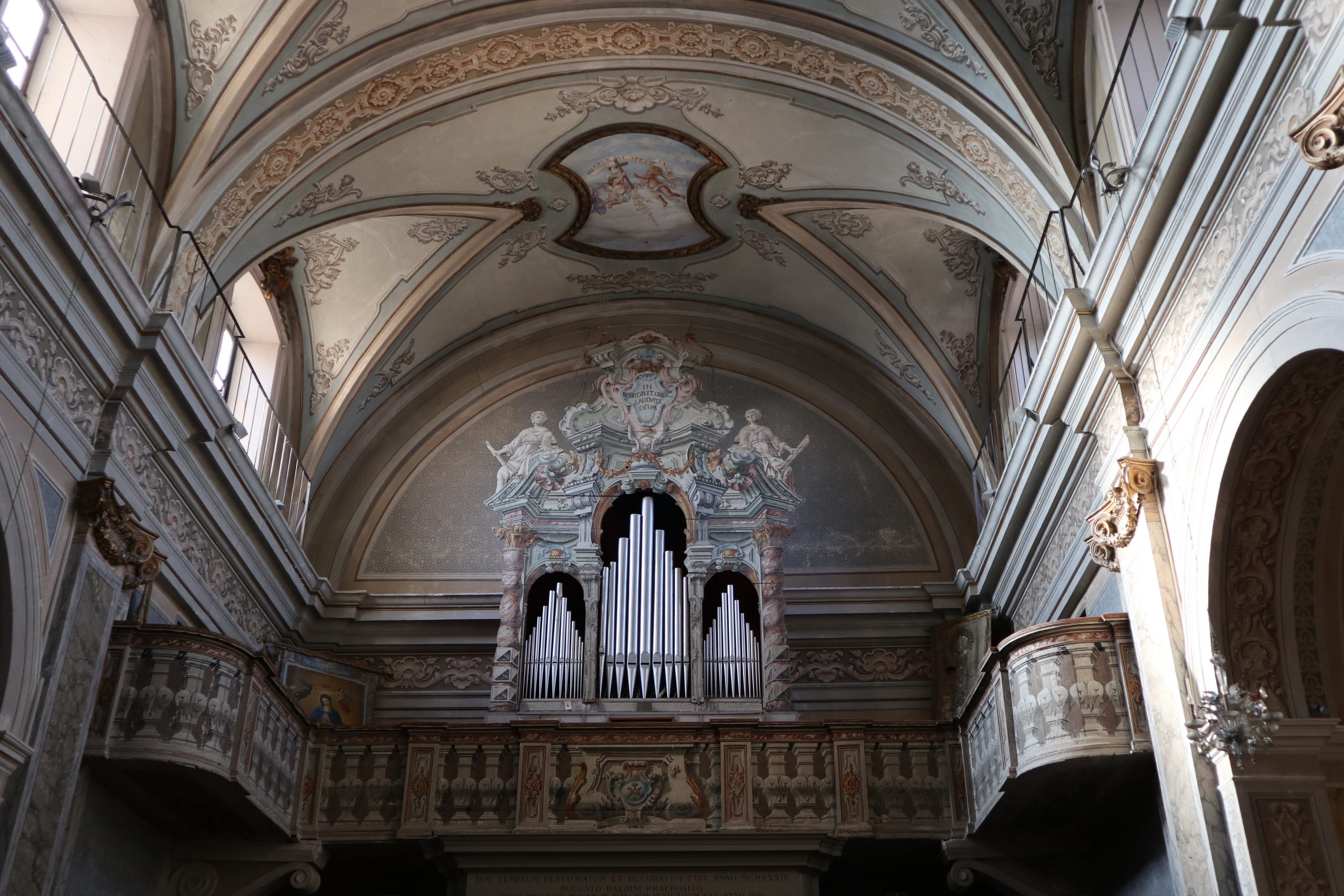
The church has a single nave that widens at the center into an elliptical space covered by a dome, while the remaining parts are covered by a lunetted barrel vault. The transept is subtly hinted at by two side chapels, and eleven large windows illuminate the entire interior. The altar is raised three steps above the nave and placed in front of the ancient one, behind which are the wooden choir and, above it, a canvas by Parrocelli depicting the Virgin Assumed into Heaven.
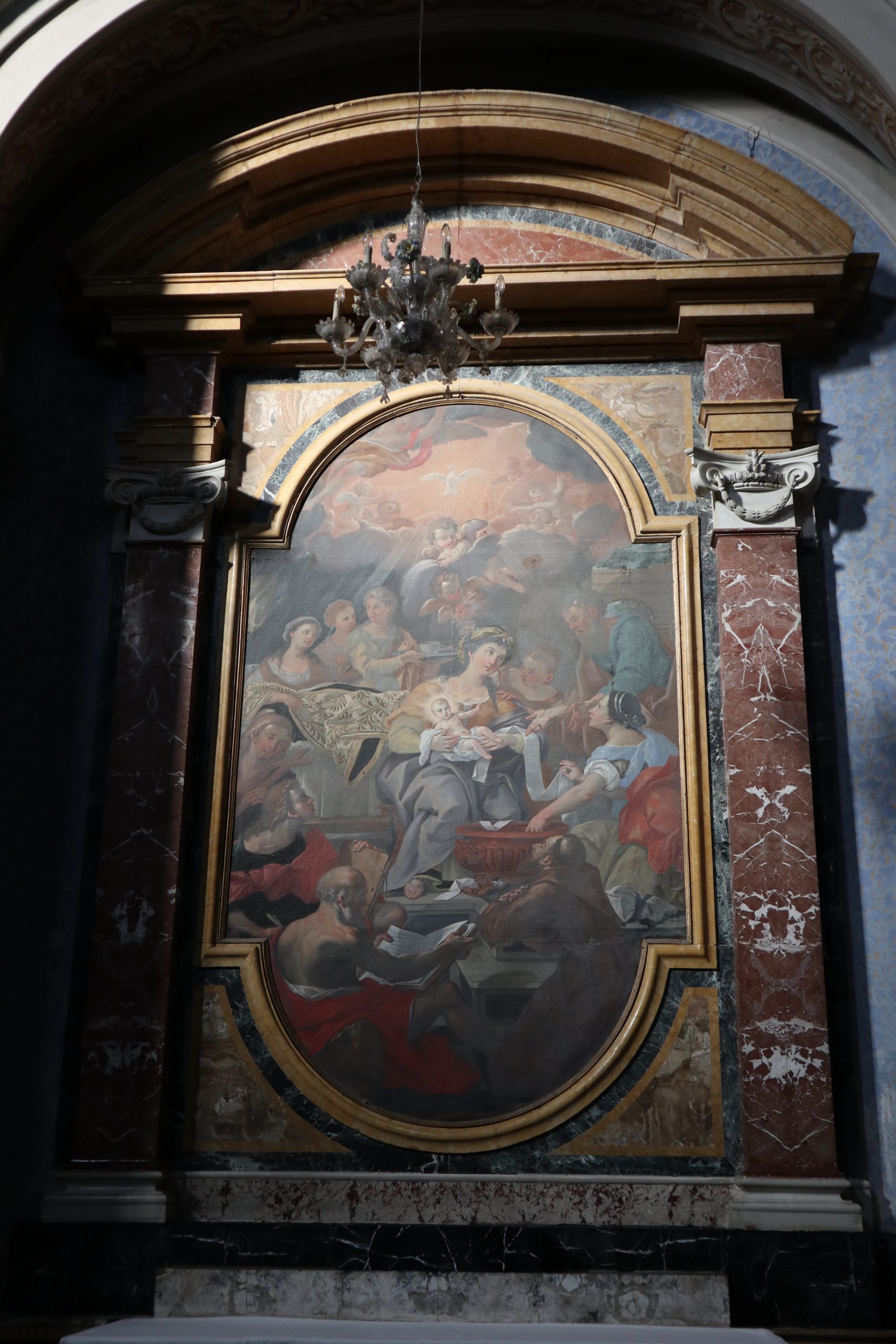
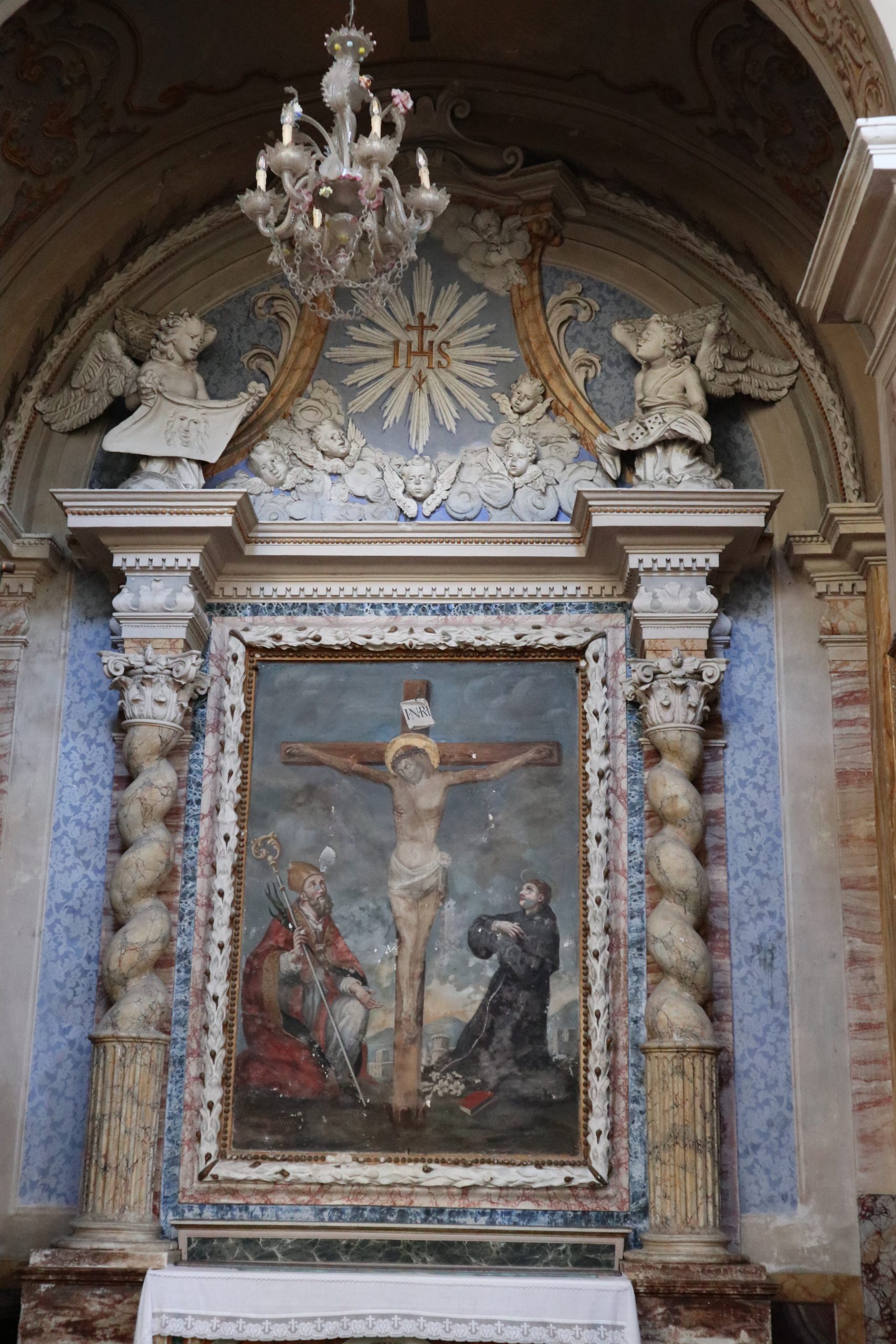
Along the sides of the nave, numerous chapels house altars and paintings, and on the back wall of the right side is the tomb of Costantino Beltrami, the explorer who died in Filottrano in 1855.
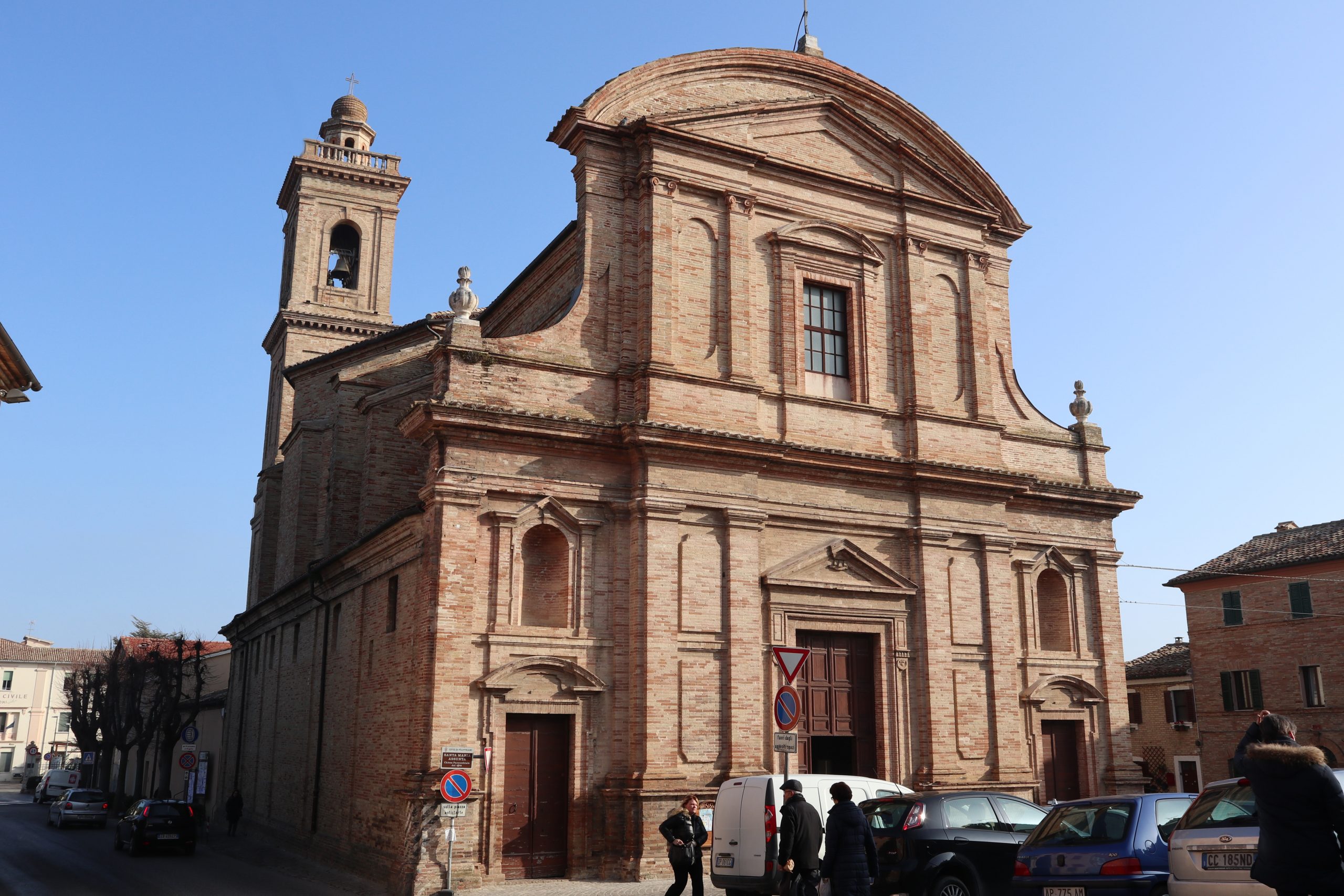
The brick façade is divided into two orders by a cornice covered with terracotta tiles. Vertical pilasters, which support a triangular pediment in the second order (set against a backdrop closed by an arch at the top), and horizontal cornices create frames that accommodate the three access doors, the central large window, niches, and geometric decorations. [Source: Beweb: Beni Ecclesiastici in web]
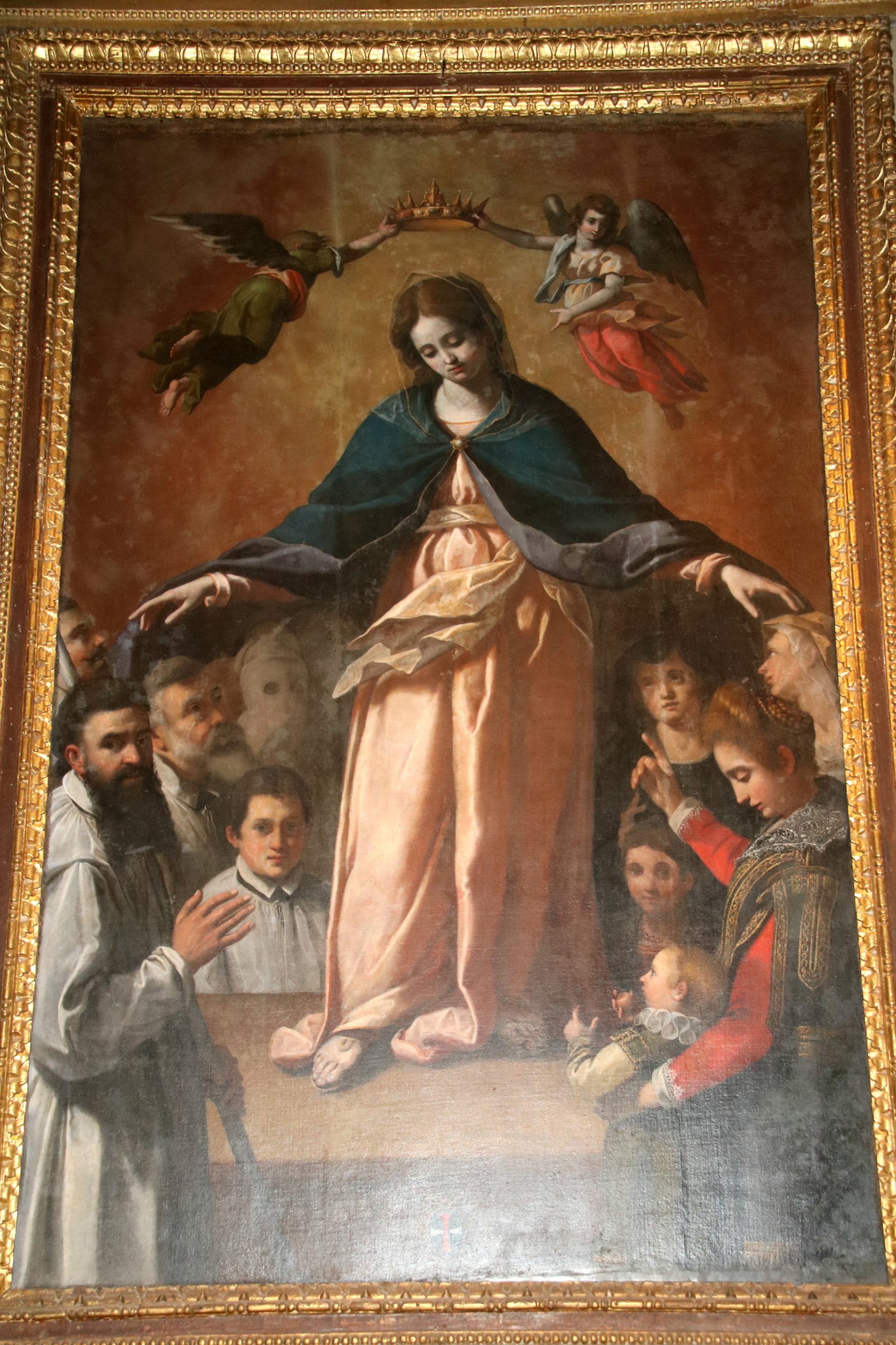
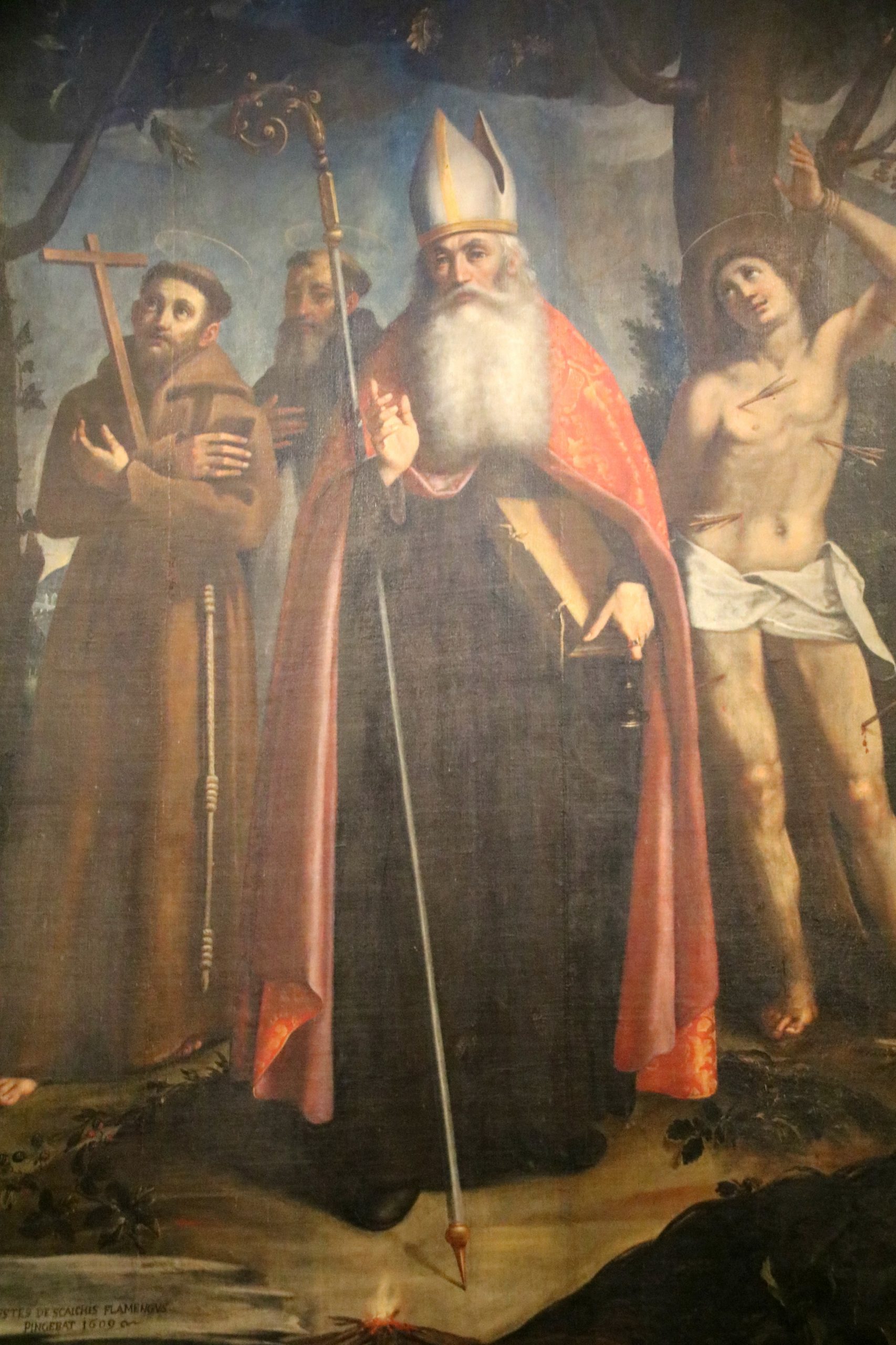
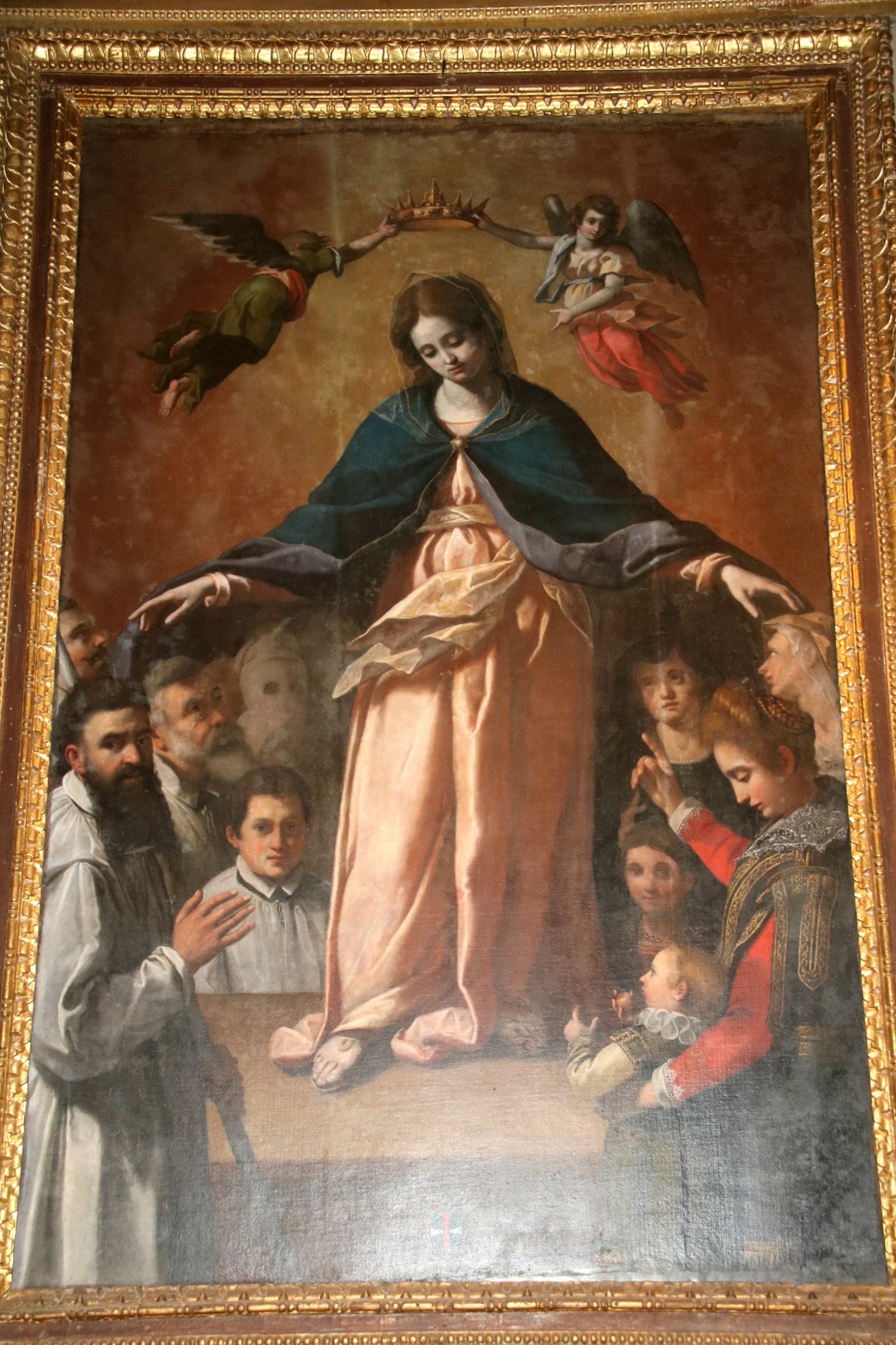
The building was constructed in the 18th century upon a preceding 14th-century church. Its interior features pictorial works by Italian and foreign artists. Of note are the late 14th-century and late 15th-century frescoes, which testify to the devotion of the Filottrano community over the centuries. Significant works include the “Nativity of Jesus” attributed to Gerrit van Honthorst (known as Gerardo delle Notti), the “Beheading of Saint John the Baptist” by Ernest Van Schayck, “La Madonna Bella,” also attributed to the same painter, and a painting depicting “Saint Homobonus,” protector of tailors and merchants, executed by an anonymous painter, and the altarpiece, the Assumption of Mary into Heaven by Étienne Parrocel. [Source: Filottrano Wikipedia]
Gallery