10 Things to do in Filottrano
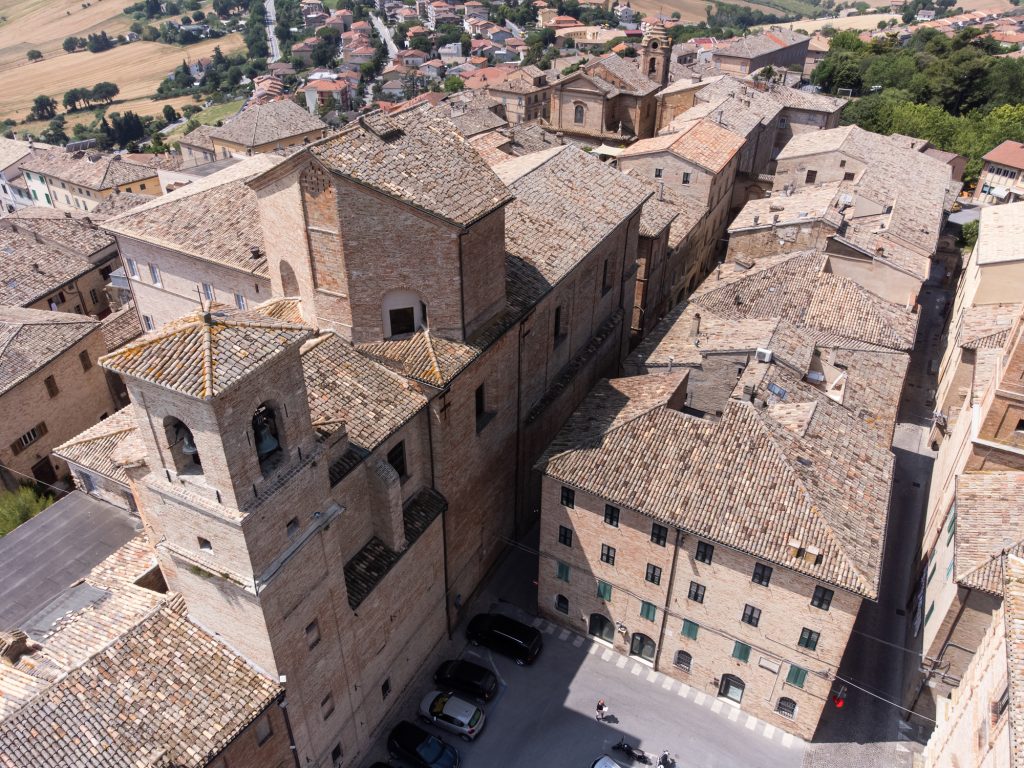
Filottrano is a town that surprises with its thousand-year history, the charm of its narrow streets, and the authenticity of its traditions. Strolling among the medieval walls, visiting its museums, and immersing yourself in the local flavors, you can live a unique experience blending past and present. From historical reenactments to breathtaking views, from sartorial excellence to typical cuisine, here are 10 things to do in Filottrano to discover all its beauty and authenticity.
Maggiori Informazioni
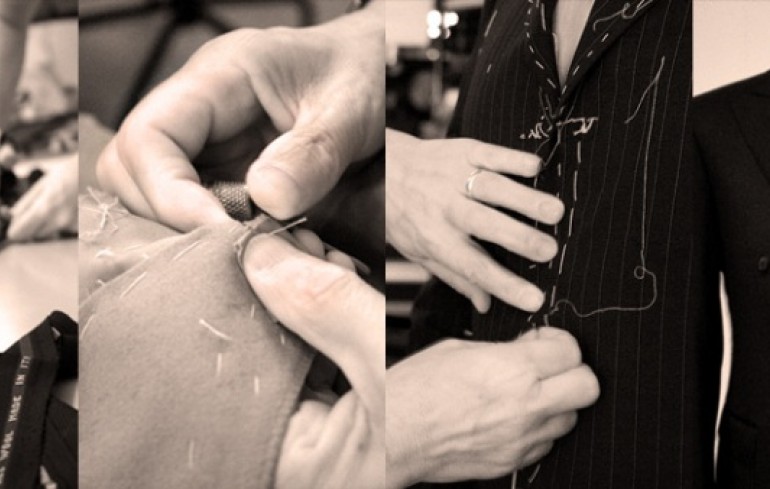
Filottrano can be considered one of the major industrial hubs for apparel. The first activities in the textile industry date back to the 1950s when the local economy was still tied to agriculture.
Today, "Made in Filottrano" is synonymous with high-quality tailoring, characterized by attention to detail, and is well-represented by the numerous companies that produce both under their own brand and as third-party manufacturers for major fashion houses.
The sartorial art of Filottrano represents a national and international benchmark. In Filottrano, there are many factory outlets where one can make quality purchases, especially for men's clothing.
History, Encounters, Traditions
Piazza Mazzini, also known as "metà corso" (half boulevard), as it divides the long and refined Corso del Popolo into two almost symmetrical parts. This street was created at the end of the 19th century by demolishing the ancient Porta Romana, with the goal of connecting the town's medieval core with the 18th-century area. At one time, a large arch connected the two imposing red brick palaces that still face each other today: the one housing Bar Wally and its twin across the street.
The square is embellished by an elegant loggia, from which one can enjoy a spectacular panorama that stretches from Mount Conero all the way to Macerata, Recanati, and Loreto. At the center stands the bronze statue of Ottrano, the Longobard from whom, according to some theories, the city’s name Mons Filiorum Ottrani derives.
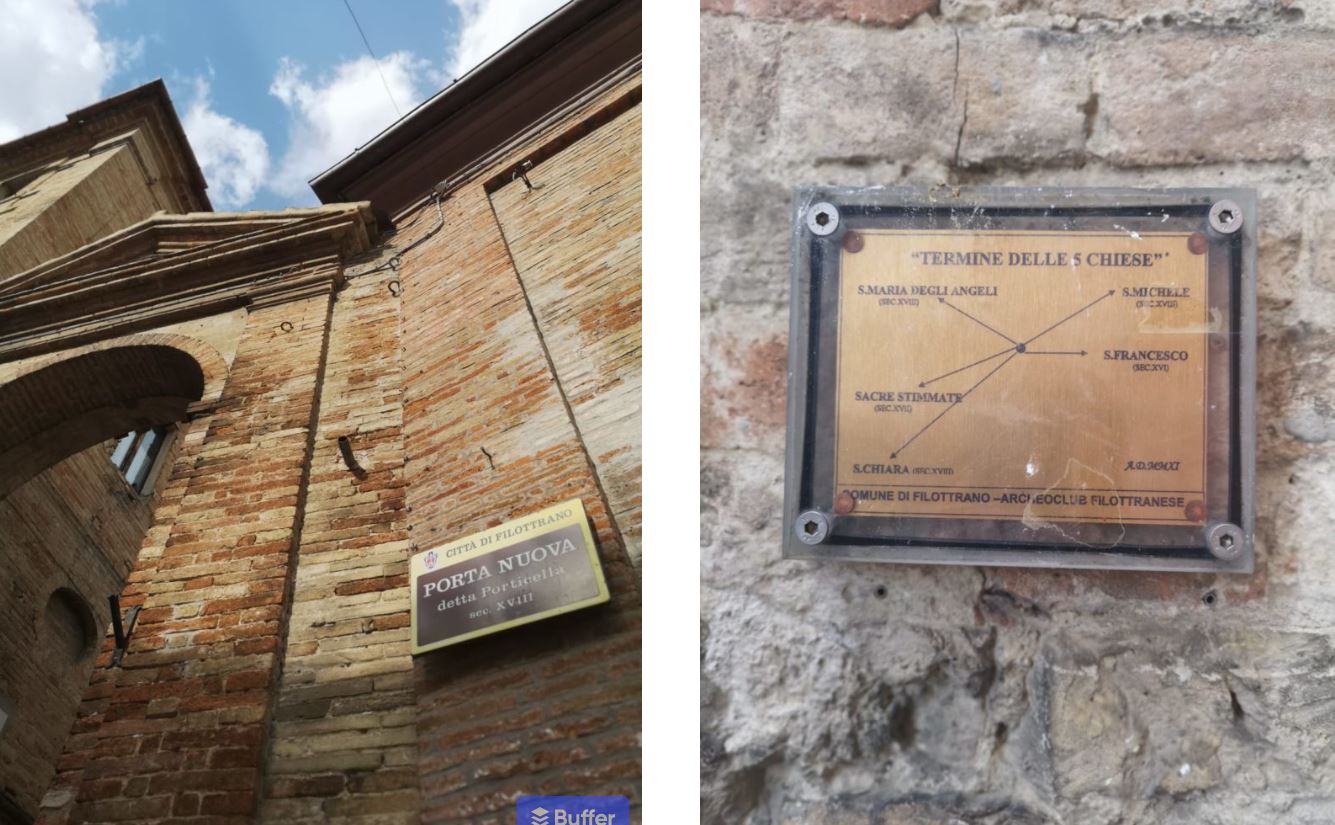
Next to the loggia is a small arch, Porta Nuova (also known as Porticella), flanked by an elegant staircase that leads to the oldest part of the borough.
Right next to the staircase stands the Church of the Angels (Chiesa degli Angeli), which is now deconsecrated. For years, it hosted a striking artistic nativity scene made of papier-mâché, so large that visitors could walk inside. Unfortunately, following the 2016 earthquake, the nativity scene was removed.
Observing the façade and the church’s side wall along the staircase carefully, one can still notice the marks of the grenades that exploded during the Battle of Filottrano in 1944. This crucial conflict for the town’s liberation paved the way for the subsequent liberation of Ancona. One of the most evident hits is visible on the corner of the church, right at the beginning of the staircase.
As you ascend, pause on an interesting detail: at the corner of Via Leopardi, you will find a commemorative stone monument (cippo commemorativo). From this spot, if you look closely, it is possible to glimpse as many as five surrounding churches—try to spot them all! Furthermore, directly opposite the monument, on the doorframe of a building, you will notice a small drawn parachute: a symbol left by the paratroopers of the Nembo Division, who were key protagonists in the Battle of Filottrano.
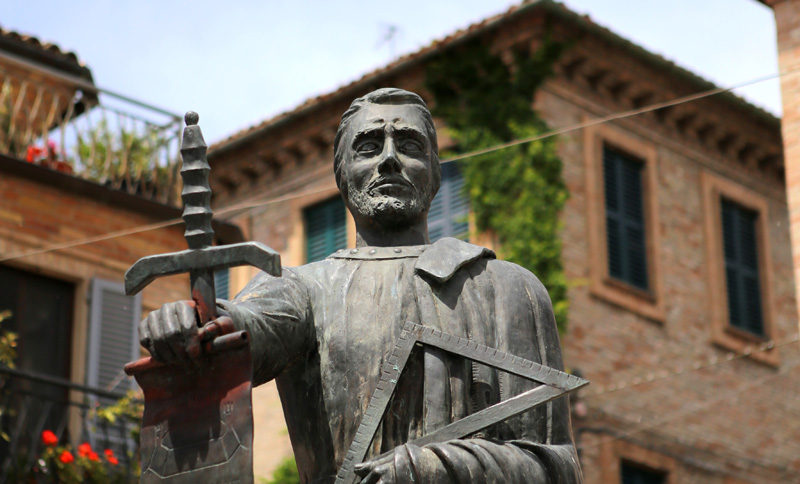
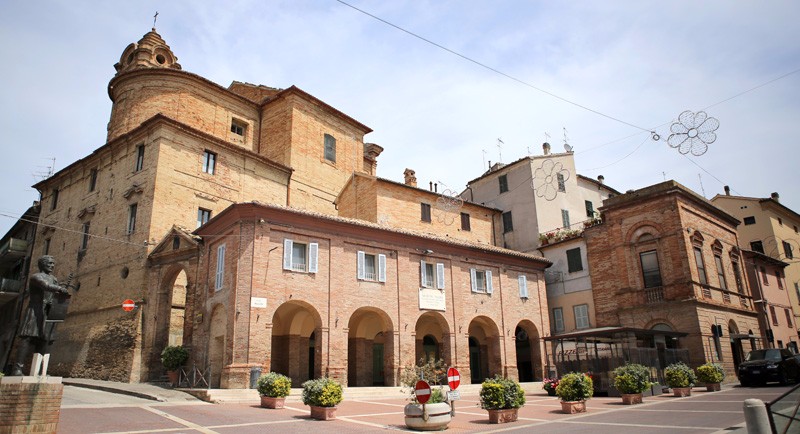
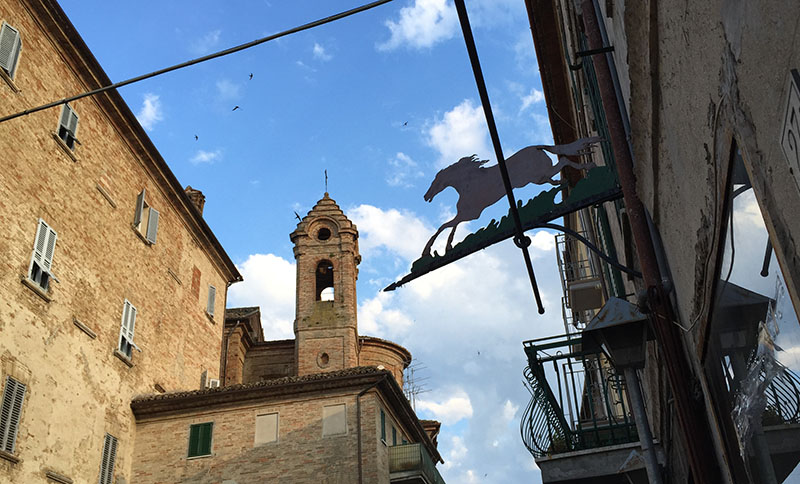
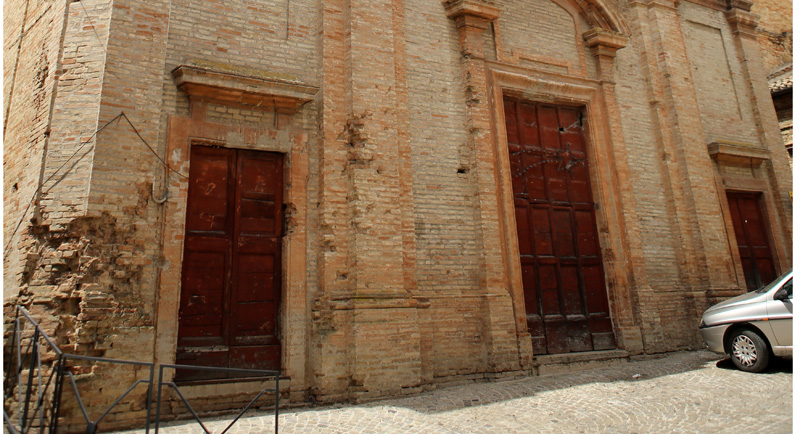
Among alleys, history, and views: discover the authentic soul of Filottrano.
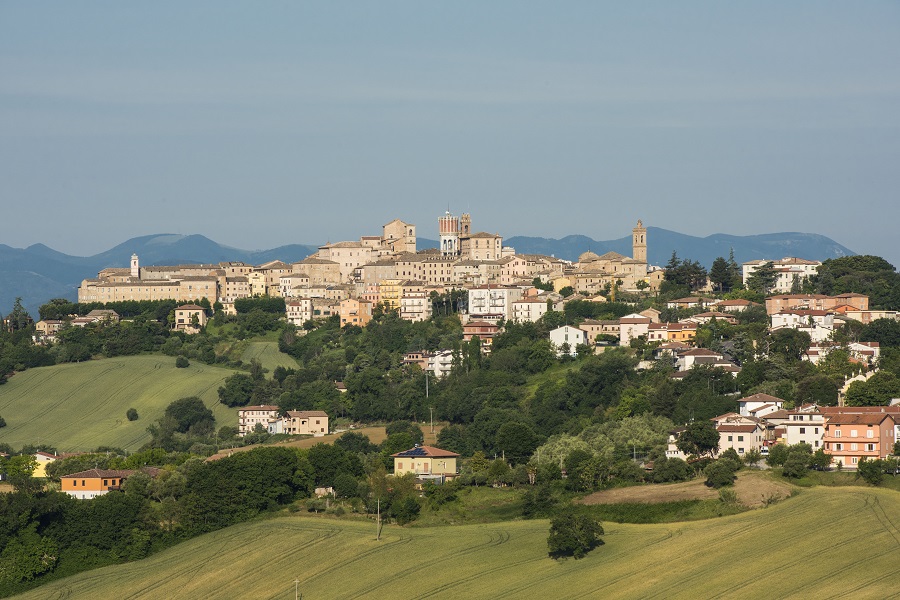
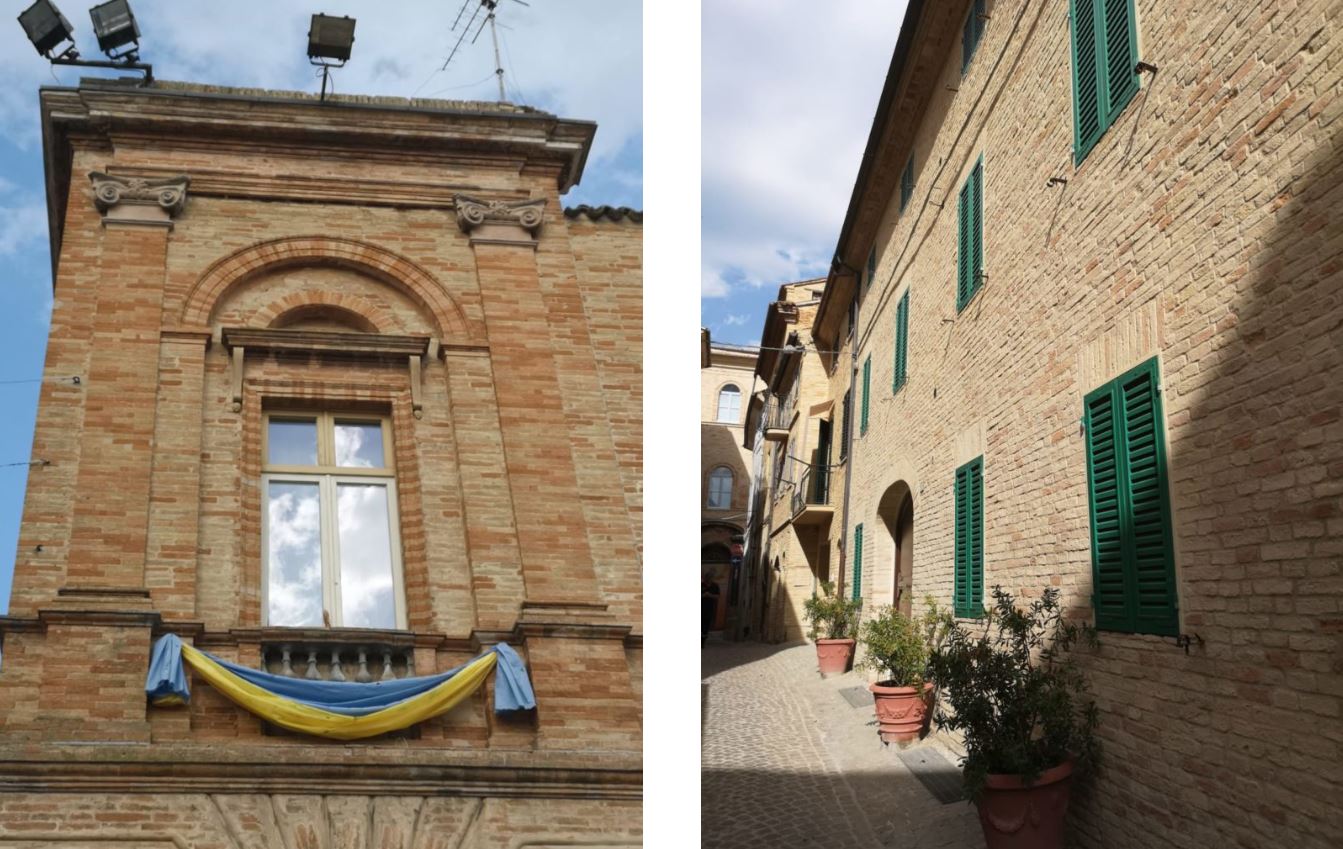
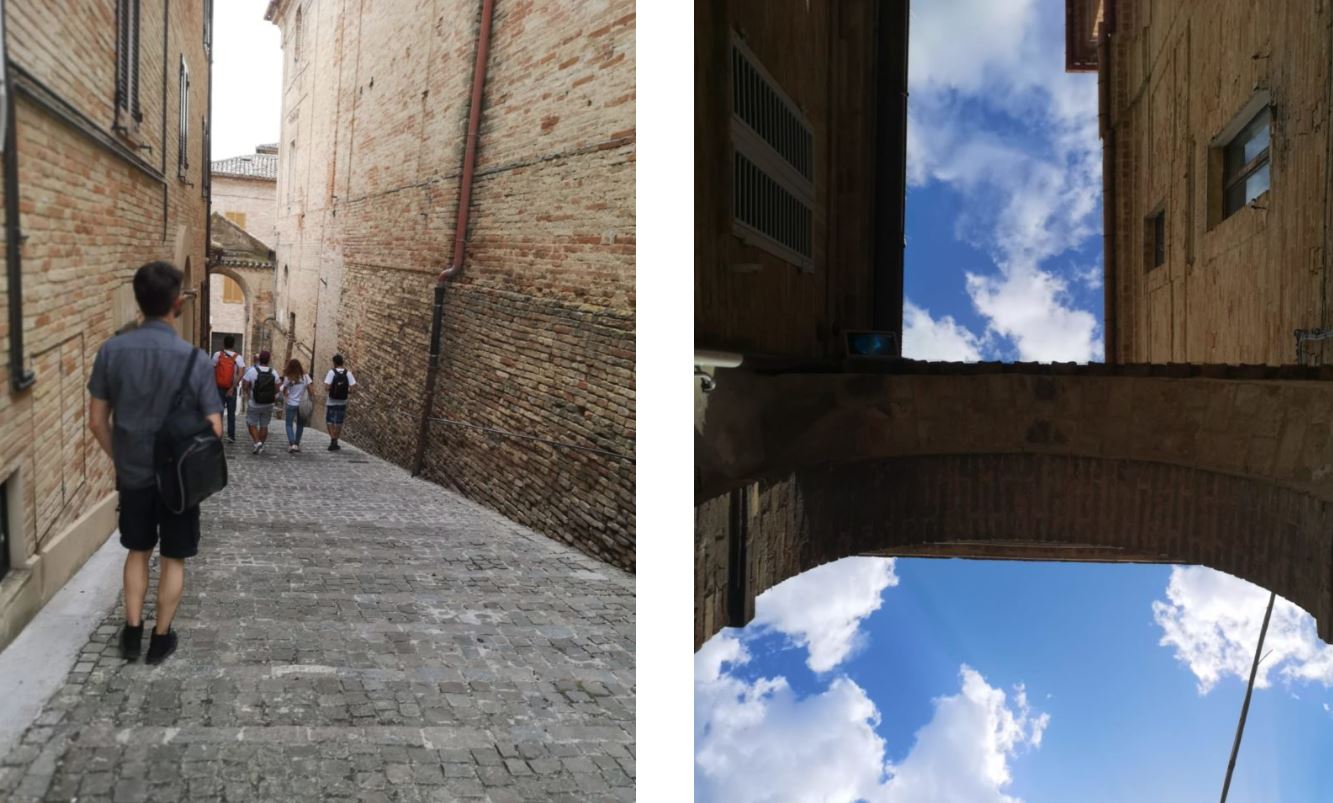
The walk through the historical center allows us to discover the well-preserved 14th-century walls, the narrow alleys, and its ancient palaces.
Upon reaching Largo Bramante, it is possible to step out and admire a beautiful panorama: the hills, Mount Conero, and the sea.
The stroll through the historical center is one of the activities absolutely not to be missed during a stay in the borough.
Remember that during the Christmas season, Filottrano transforms into a "Nativity Town" (Città Presepe). Reenactments and nativity scenes are placed in characteristic spots throughout the historical center.
Climbing up to Piazza Cavour, the highest point of the city, one can admire the elegant Town Hall (Palazzo Comunale), built in the Bramantesque style in the 16th century.
It stands out with its beautiful civic tower. Inside, a grand staircase can be admired.
Curiosity: Formerly, a theater was housed within the palace, which was demolished in 1934.
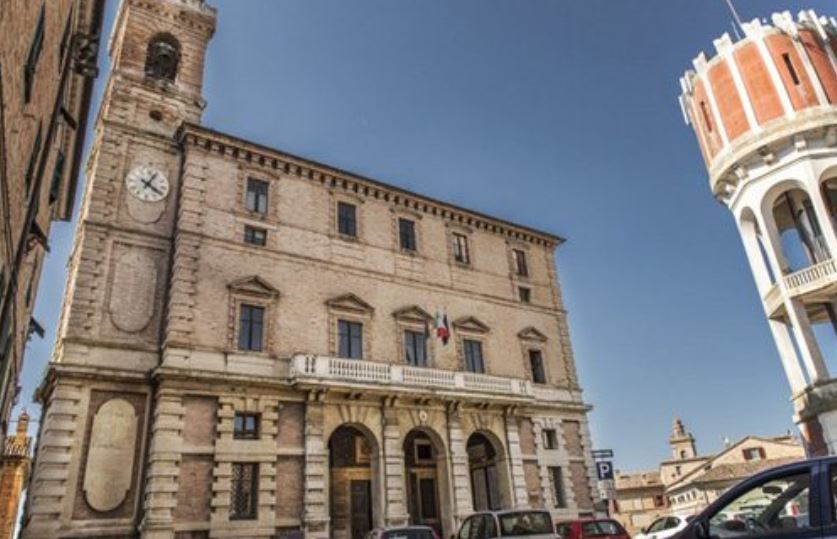
A journey through history, faith, and architecture
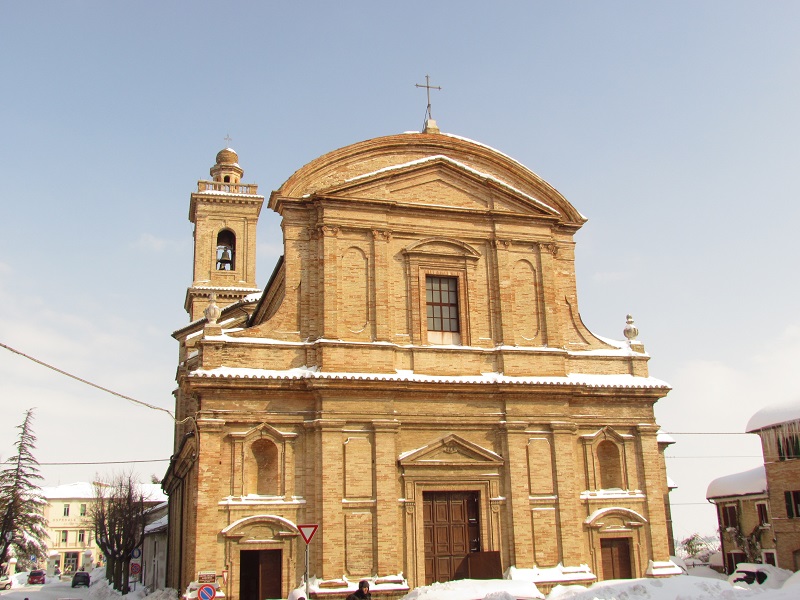
Descending from Piazza Cavour, and passing Piazza IX Luglio, you reach another gate, Porta Marina, which leads to the town's Pieve (Parish Church), the Church of Santa Maria Assunta.
The church holds the tomb of the explorer Giacomo Costantino Beltrami.
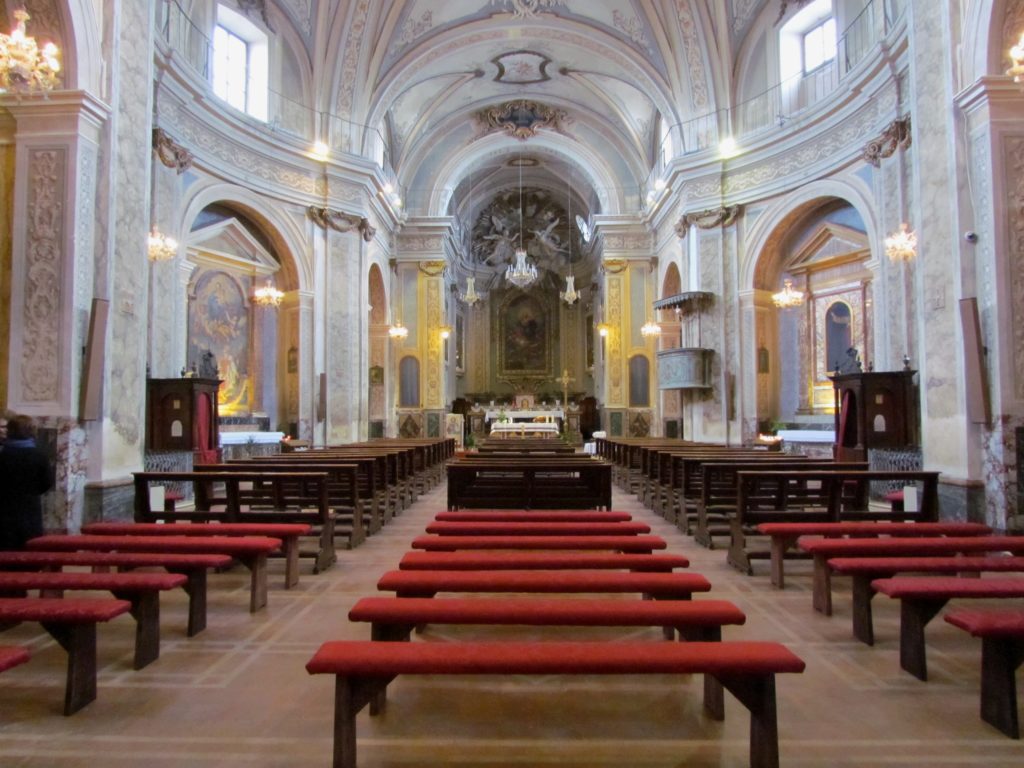
The Pieve of Filottrano was rebuilt in 1679 (on the side of the bell tower facing the road, you can see a brick bearing the date) over the small 14th-century Gothic church, which had become too small and dilapidated. The current building features a single nave that widens into an ellipse at the halfway point, giving a sense of grandeur and spaciousness to the interior.
Finely decorated in Baroque style, it presents interesting stucco work and numerous canvases. The main altar hosts an Assumed Madonna in Heaven supported by soft, pure white clouds along with Baby Jesus and Saints Peter, Lucy, and, probably, Catherine of Alexandria. The first altar on the left, however, features a valuable 15th-century fresco, derived from the previous structure, depicting the Madonna breastfeeding the child within an oval. The fresco is contained within a column, hence the work’s name: "Madonna of the Column."
In the sacristy, it is possible to notice other interesting works, including a gruesome Beheading of St. John the Baptist and a delicate and evocative Nativity. At the back of the church are some tombstones of illustrious Filottrano citizens, including the explorer Giacomo Costantino Beltrami, the discoverer of the sources of the Mississippi.
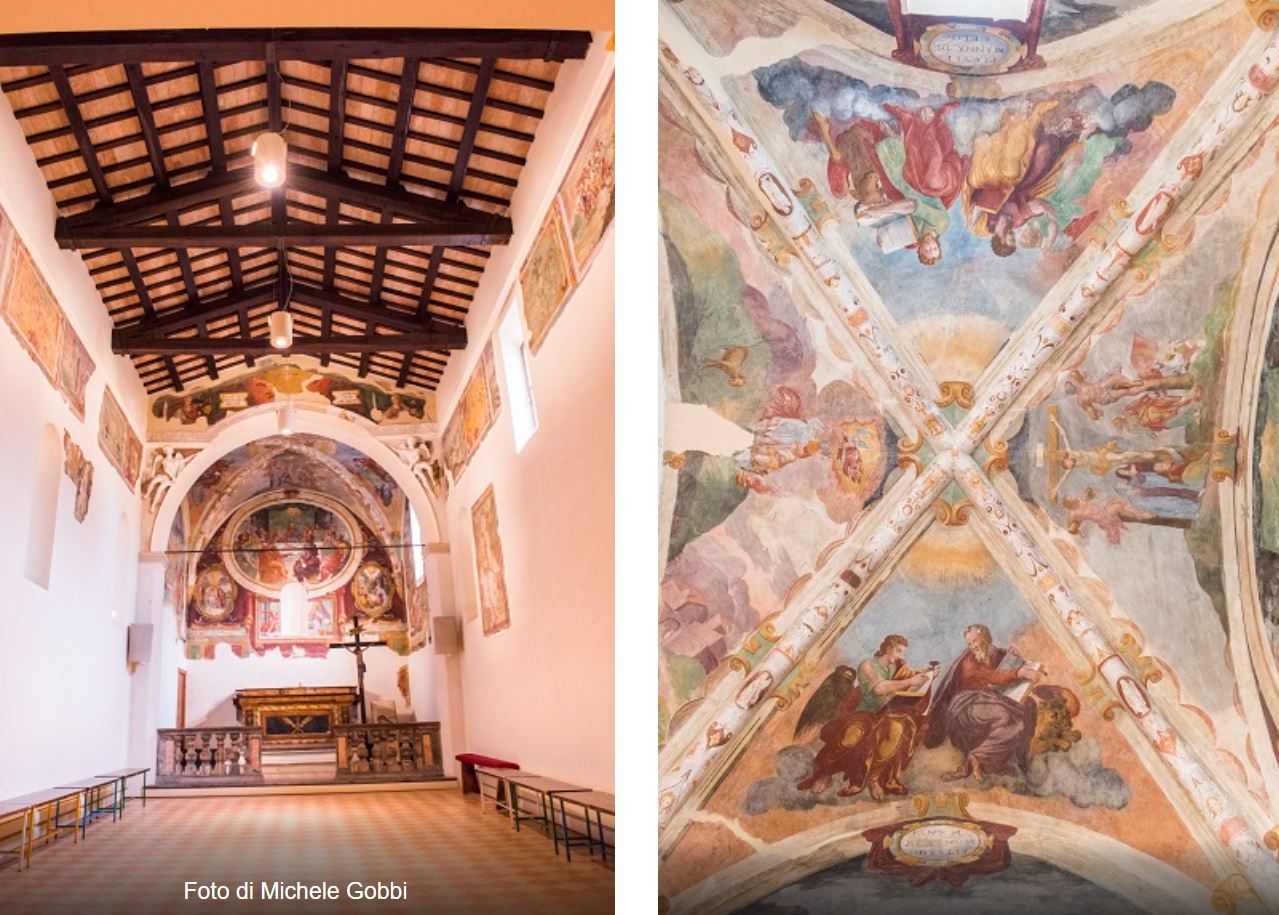
Returning to Piazza Mazzini and reaching Via S. Cristoforo, you arrive at the Church of San Cristoforo, the oldest of the city's churches (dating back to around the year 1000). It preserves precious and elegant frescoes that were recently restored.

Discovering History and Traditions: A Journey through the Museums
History buffs and curious museum-goers cannot miss a visit to the city's museums. Here are the ones we recommend:
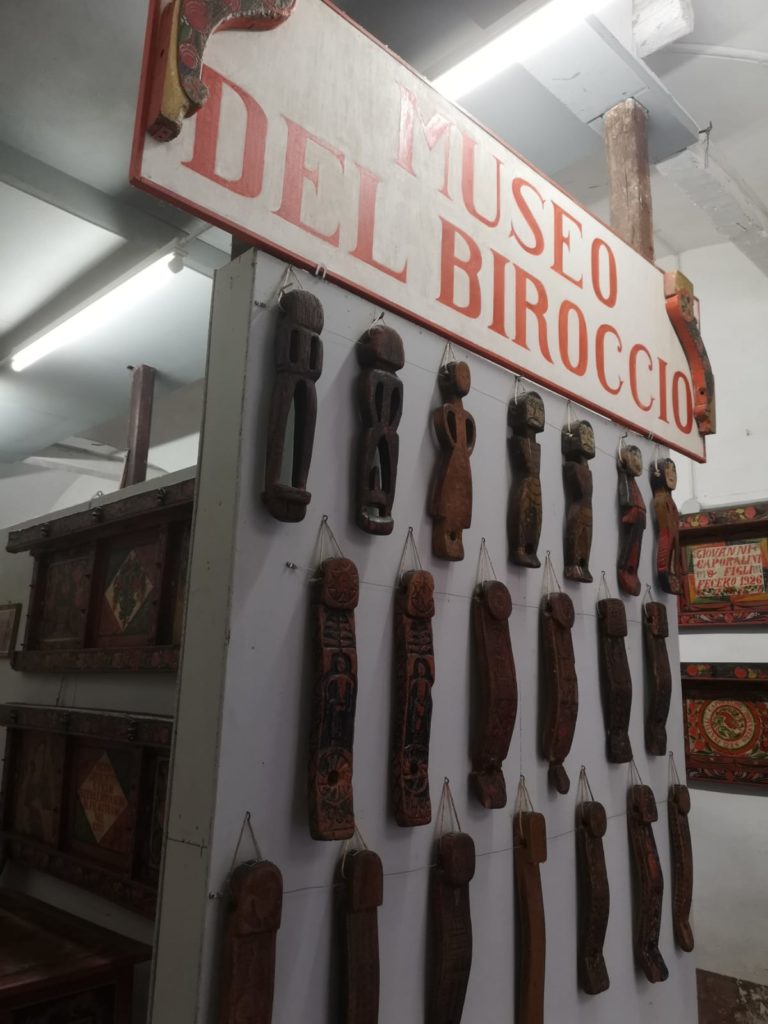
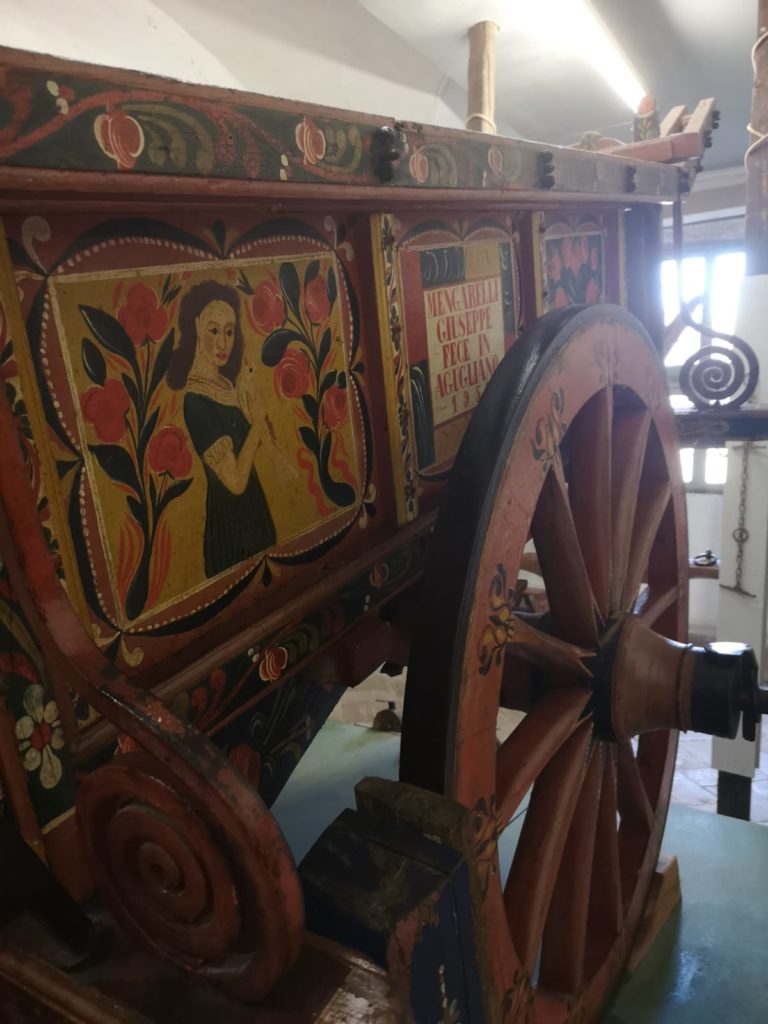
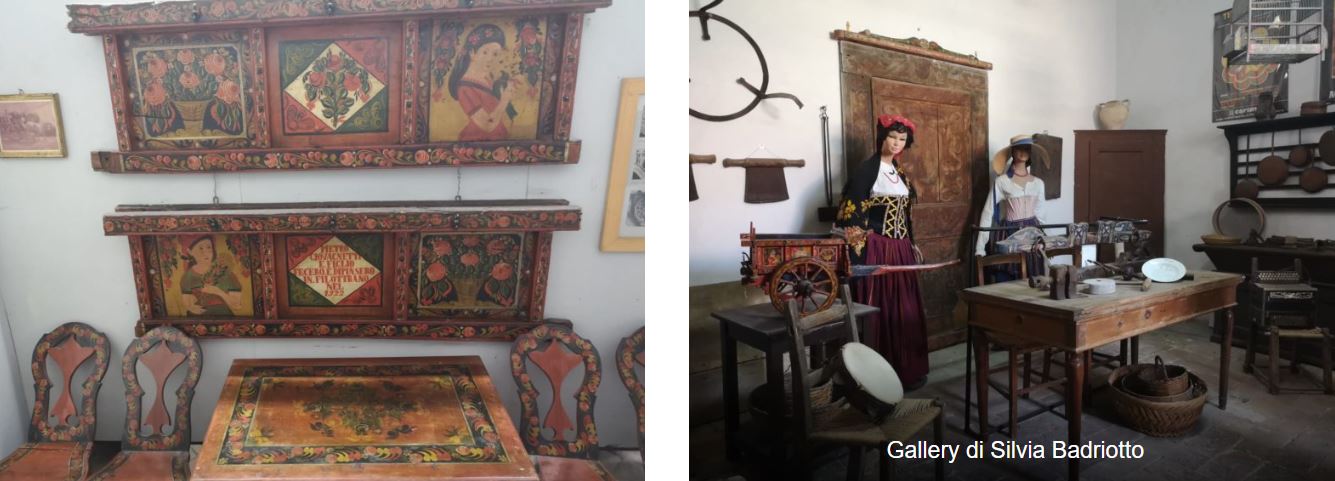
Biroccio Museum (Museo del Biroccio)
- At the end of Via Leopardi, you will find the Biroccio Museum, dedicated to the traditional Marche agricultural cart, whose origins are older than the Sicilian cart. The Museum is housed in the old rooms of Palazzo Beltrami that were once used by the servants. The museum tells the story of the agricultural cart, its decorations, and a bit about the rural life that characterized this region. Unlike the carts of other regions, the Marche one was ostentatiously decorated, very colorful, and featured different colors from one province to another. Inside the Museum, you can find several perfectly preserved birocci. The biroccio was used on many occasions, including holidays; on these occasions, the pair of oxen was also adorned for the celebration, and colored red pom-poms were attached to their horns.
- Upstairs, another beautiful museum, currently under restoration, is dedicated to the explorer Costantino Beltrami, who discovered the sources of the Mississippi.
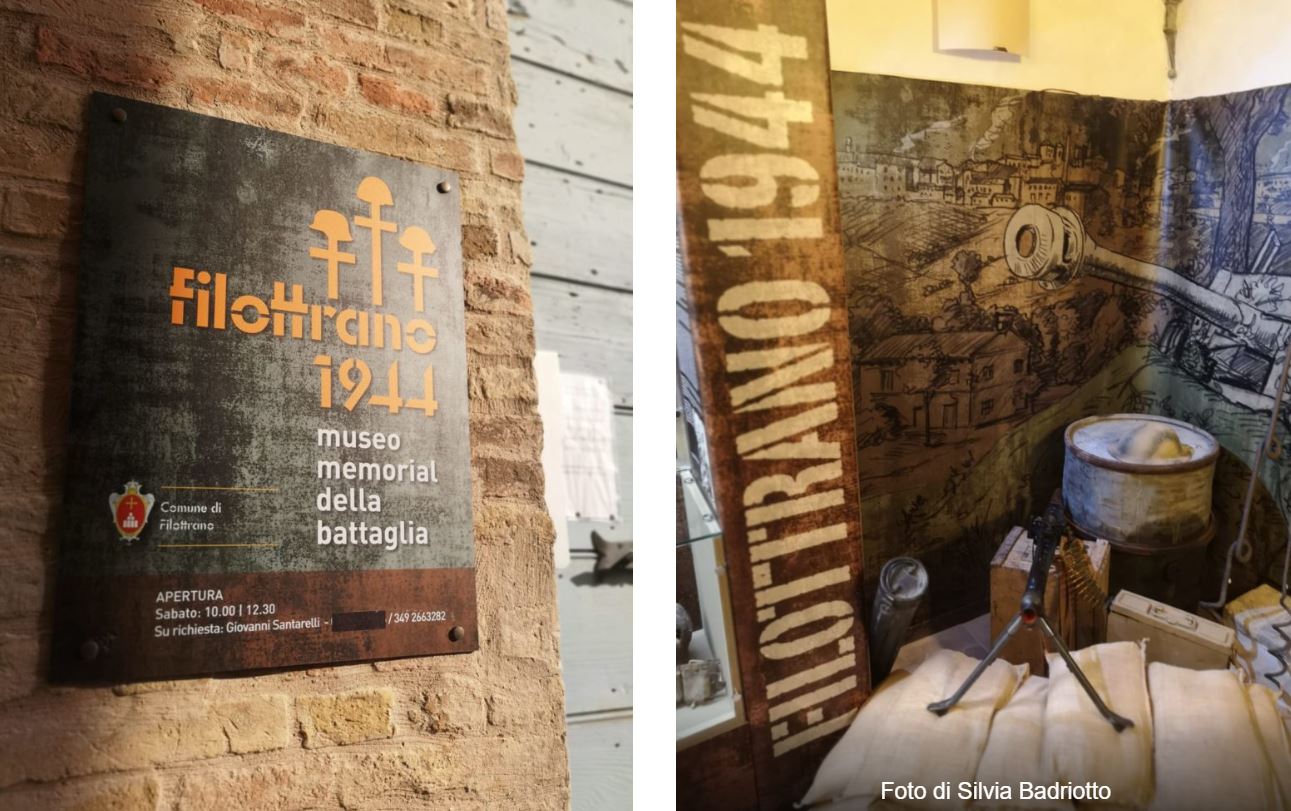
Filottrano Battle Memorial Museum (Museo memorial battaglia di Filottrano)
- The Museum dedicated to the Battle of Filottrano is located inside Palazzo Accorretti. It is rich in interesting original artifacts and documents from the era. It is a permanent exhibition of Second World War relics and a Memorial of the Battle of Filottrano. It is open every Saturday morning from 10:00 AM to 12:30 PM, with free admission. For information, contact: Giovanni Santarelli – curator –, tel. 071 7222576 / 349 2663282.
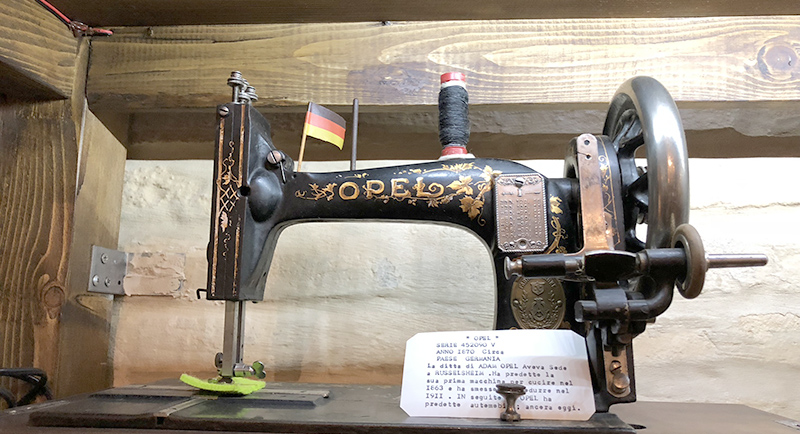
Finally, in the city of Tailoring, the very unique Sewing Machine Museum could not be missing. It originated from a private collection of machines from different eras and from all over the world. The museum is located in the historical center of Filottrano.

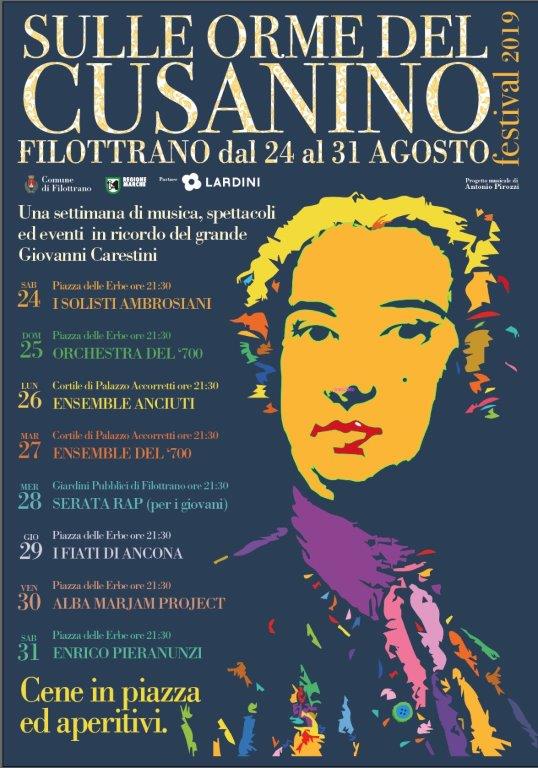
Cusanino (Giovanni Carestini)
Giovanni Carestini, known as Cusanino, was a highly esteemed soprano, and later contralto, in the 1700s. An illustrious figure from our town, born in Filottrano, he performed in the best European theaters and was extremely famous at the time. Here in Filottrano, the "Sulle orme del Cusanino" (In the Footsteps of Cusanino) Festival will take place from August 24th to 31st, featuring baroque music concerts every evening.
Giacomo Costantino Beltrami
Beltrami was born in Bergamo but was a Filottrano citizen by adoption. He was a magistrate, traveler, scholar, and the discoverer of the sources of the Mississippi River. He established good relations with the Sioux populations, bringing back numerous artifacts that are now preserved in Filottrano.
Among these items, which are unique in the world, is a medicine drum that belonged to a shaman. This drum, decorated on both faces with a demon figure and a solar disc, was considered so unique that it was chosen as the symbol for the Winter Olympics in Calgary, Canada, in 1988.
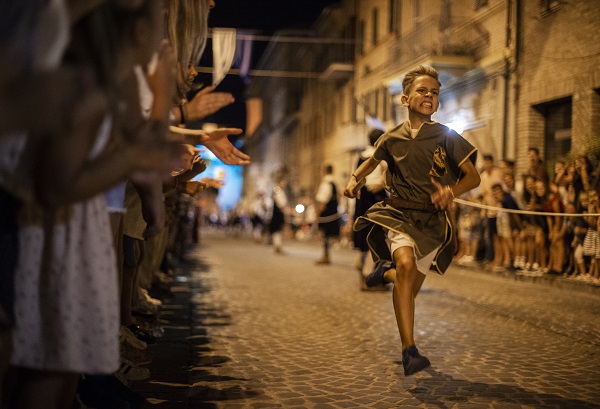
History, challenges, and tradition in a journey into the Middle Ages
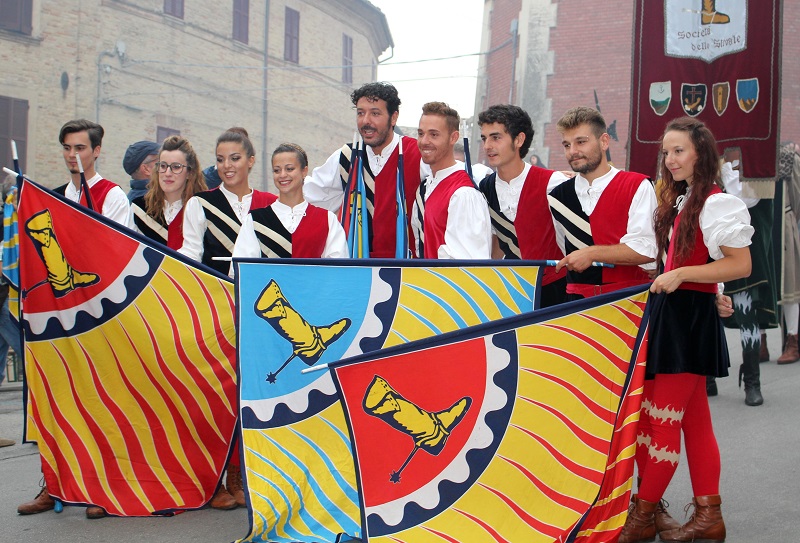
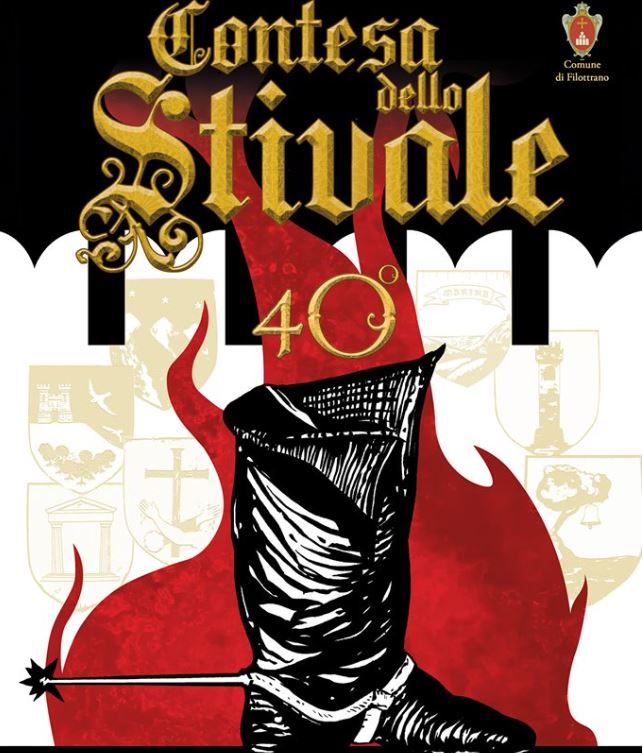
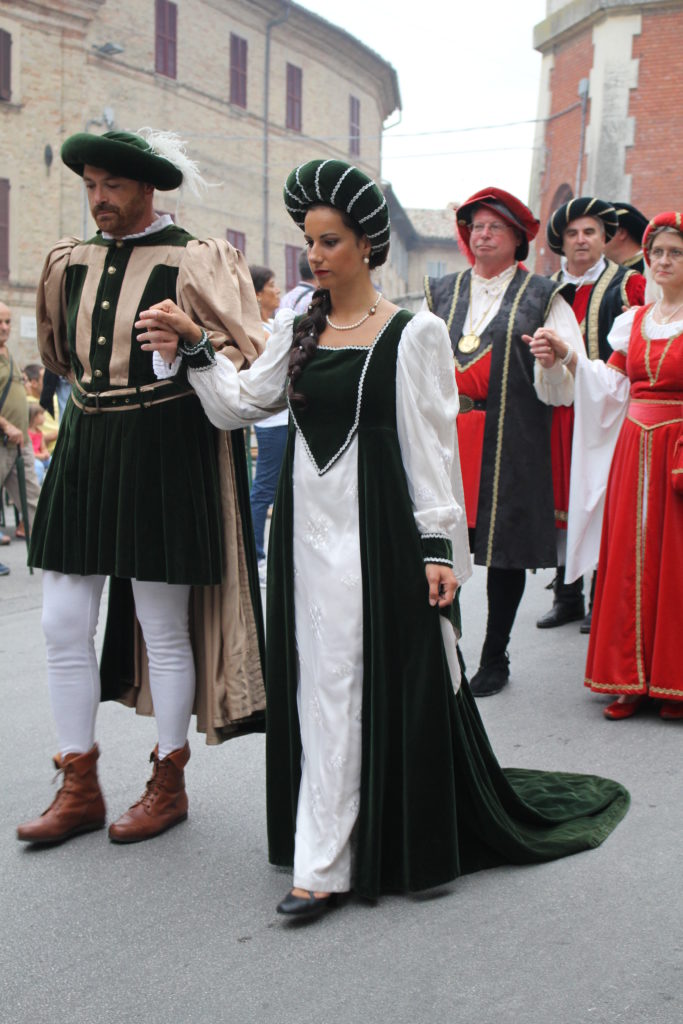
The Contesa dello Stivale (Contest of the Boot) is a costumed relay race between the representatives of the town districts (contrade). There are 6 participants, all from Filottrano and preferably members of the respective contrada. They compete wearing the contrada costume, shorts, and appropriate running shoes, and they carry a torch made of rags, pitch, and wax, which must remain lit throughout the entire course.
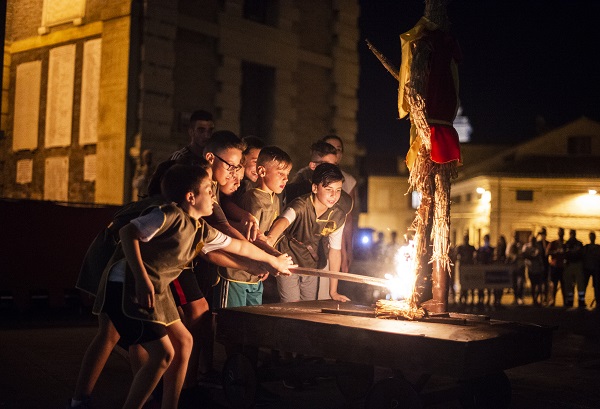
The winning Contrada of the relay has the honor of setting fire to the straw puppet that represents the unknown Osimo knight who fled, leaving his boot behind. The winners also keep the Boot Emblem for a whole year as a symbol of victory over the other Contrade.
Authentic Flavors of Tradition: From Rustic Dishes to the Famous Goose Ragù.
There are many typical dishes of peasant origin that can be tasted in Filottrano. From vincisgrassi (a baked pasta dish) to goose-based dishes, such as tagliatelle with goose ragù or rabbit in porchetta (stuffed and roasted).
Finally, it is always a pleasure to taste a crescia sfogliata (a flaky flatbread) accompanied by the characteristic spreadable salami, ciauscolo.
Noble elegance and timeless charm
Ecco la traduzione in inglese del testo descrittivo su Villa Centofinestre:
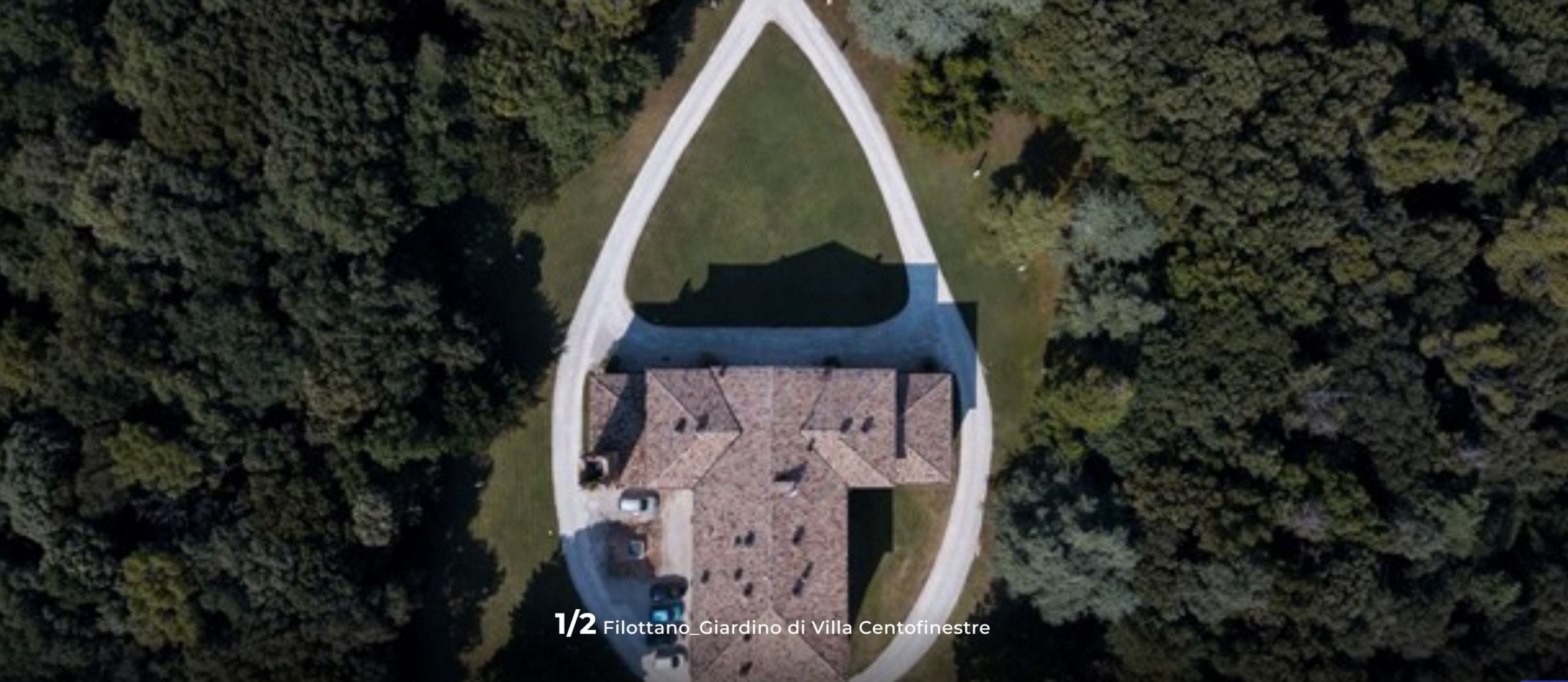
An enchanting 18th-century villa, privately owned, which preserves prestigious spaces, architectural, and decorative elements that recall the linearity and essentiality of Neoclassicism. It served as a location for historical films, such as the story of the young Leopardi in "Il giovane favoloso" (The Fabulous Young Man).
The villa is located on the road leading from San Biagio to Filottrano, at the center of a vast property.
It originated in the early 18th century as the country residence of the Accoretti marquises, although its current configuration primarily reflects the transformations of the following century, when the property passed to the Carradori family.
Characteristic of the villa's scenic design—evident in the decorations, the teatro di verzura (green theater), and the entire park—is the theme of play, which justifies its original name of Casino di Delizie (Casino of Delights).
After a period of severe neglect, the villa has recently been restored to a state of splendor.
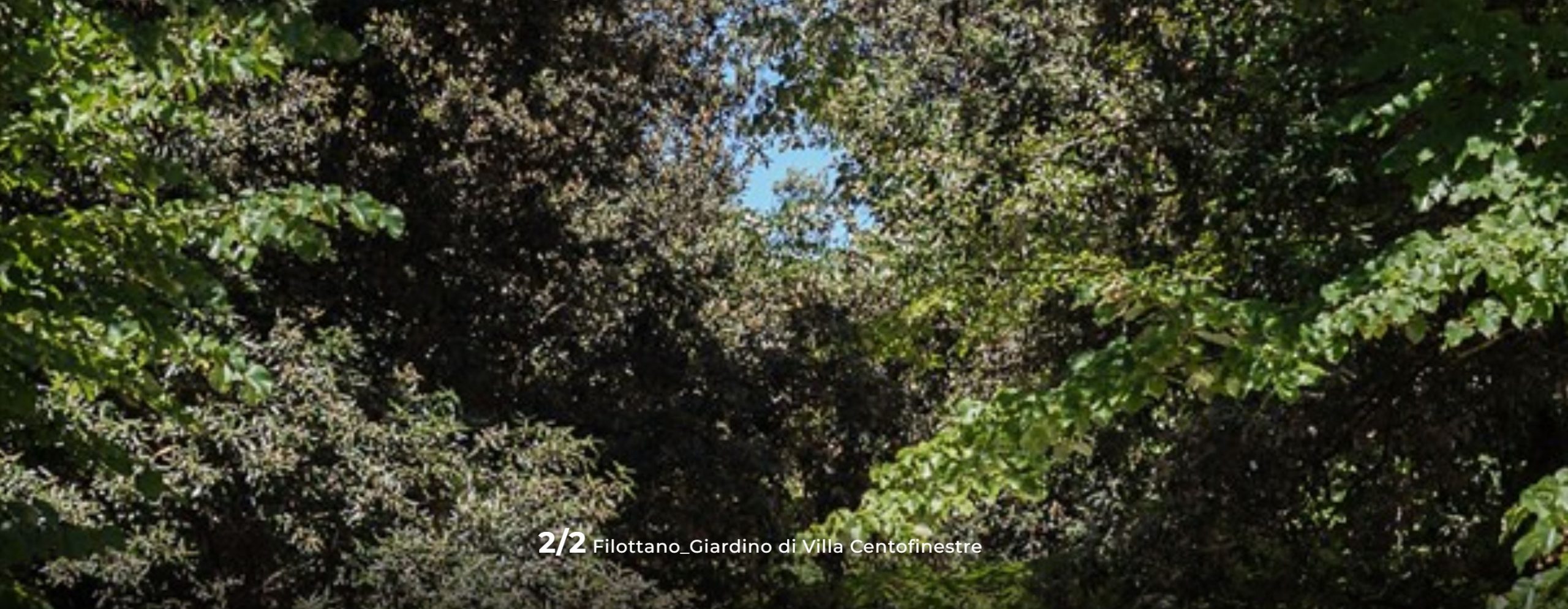
Access to the villa's park is through a gate located between the caretaker's house and a second building formerly used for silkworm breeding. To the left of the entrance is a green space that represented one of the most important teatri di verzura in the region. Giulia Bonarelli Modena described it enthusiastically, speaking of cone-shaped cypresses surrounding the seating area, arranged in symmetrically increasing order, and culminating in a solitary cypress tree that stood tall in the center.
Although the composition no longer faithfully reflects the one described by Bonarelli Modena, the park and the cypresses are still present.
The rest of the park, all designed for the pleasure of guests, is articulated in a pure Arcadian style across Italian garden terraces, swimming pools, recreational paths featuring mechanical games, a hunting woods with lookout towers, greenhouses, and groves adorned with kiosks, benches, and stone busts.
[Source Let's MARCHE 25/03/2025]